

### Blog Post:
Garden tools are essential for anyone looking to start or upgrade their outdoor space. Whether you’re reviving a neglected backyard or digging into your first raised bed, the right equipment is the difference between a thriving garden and constant frustration. But are you choosing wisely—and what should you expect from today’s market?
Key Takeaways
- The garden tools market is growing rapidly in 2024, with major gains in hand tools and cordless models worldwide.
- Most “best” tool guides miss actionable advice for beginners—including task-specific picks and real maintenance needs.
- A quality beginner tool kit starts around $120, but long-term value comes from smart selection and care.
- What Are Garden Tools and Why Do They Matter?
- Step-by-Step Guide: Building Your Garden Tool Set (the Right Way)
- Advanced Analysis: Market Trends, Pitfalls, and Real-World Limitations
- Conclusion
- FAQs
What Are Garden Tools and Why Do They Matter?
Garden tools include any manual or powered equipment used for digging, pruning, weeding, planting, cutting, or maintaining green spaces. Think of everything from hand trowels and pruners to battery-operated hedge trimmers. In 2024, the global market for garden tools was valued at over $9 billion—a number rising steadily due to demand for home gardening and new innovations like cordless and ergonomic designs (source).
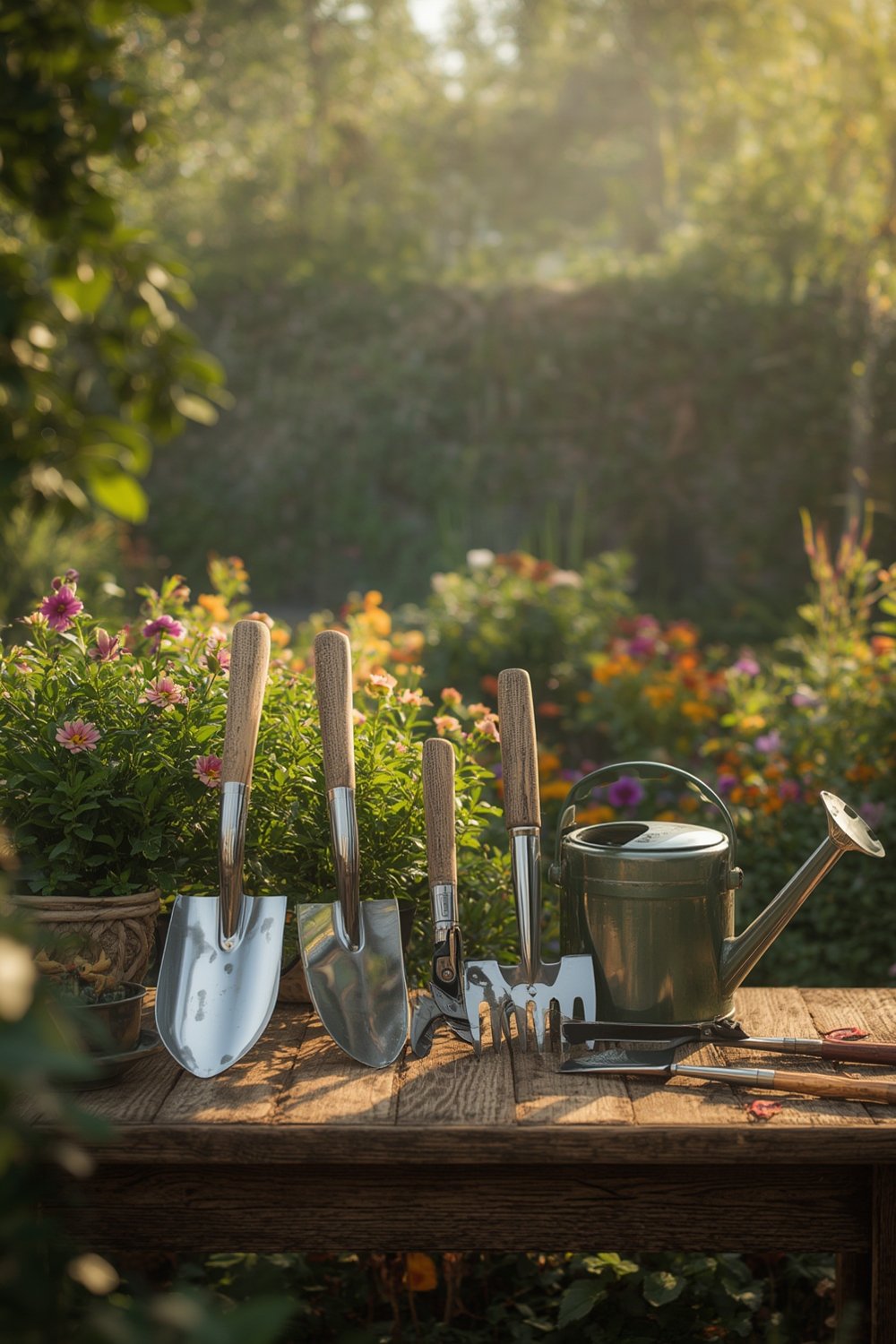
Why does this matter? The right garden tools make your work easier, safer, and more efficient. For beginners and experienced gardeners alike, smart tool choices prevent frustration, reduce injury risk, and save money by lasting longer. In North America, for example, shipments of garden tools reached 3.6 million units in 2024—up 6%, with cordless options already making up 40% of sales (market report). Manual hand tools, meanwhile, still make up over 60% of all units sold because of their versatility and affordability.
Most online guides gloss over these market realities. They also rarely help you identify which tools align with your real gardening goals—or point out hidden pitfalls.
Step-by-Step Guide: Building Your Garden Tool Set (the Right Way)
If you’ve wandered the gardening aisle, you know choosing tools can get overwhelming. Here’s a practical, step-by-step approach for assembling an efficient and frustration-proof kit, especially as a beginner.
- Define Your Garden’s Scope
- Are you prepping soil for new beds, pruning perennials, or simply maintaining a small yard?
- For lawn-specific gear, check expert picks in our best lawn care tools guide.
- Prioritize These Essential Garden Tools
- Hand Trowel & Transplanter: For digging and planting in tight spots.
- Pruning Shears: Necessary for trimming and shaping. Upgrade to bypass pruners if you handle woody stems.
- Hand Weeder: For removing taproot weeds without disturbing soil.
- Loppers or Hedge Shears: For thicker stems and light hedging tasks.
- Gloves and Kneeling Pad: Never underestimate the value of comfort—reduce strain on hands and knees.
- Consider Cordless Options for Large Yards
- Battery-powered tools—like trimmers and blowers—are now 35% more popular year-over-year (source).
- But remember: manual hand tools still do 62% of the work globally, and often offer more control.
- Budget Realistically
- Expect to spend around $120 for a multiclass beginner kit, with high-quality brands commanding a premium (market data).
- Don’t overlook “upgrades” like precision pruners—worth it for frequent use, but not always included in starter kits.
- Maintain Your Garden Tools
- Clean after each use. Dry thoroughly to prevent rust—especially if storing in a humid space.
- sharpen blades on pruners and shears at least twice per season to avoid splitting stems.
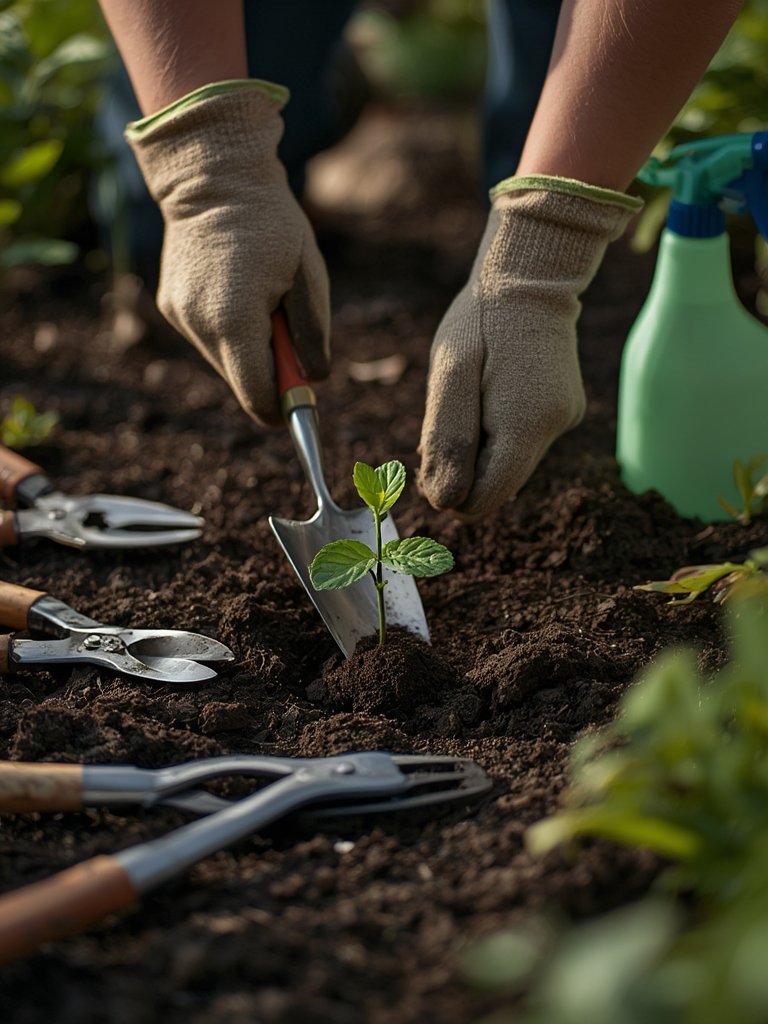
For beginners, investing in a few well-chosen hand tools saves you money and frustration. Multiple brands dominate the 2024 market—Fiskars Group, Husqvarna, Stanley Black & Decker, Craftsman, and The AMES Companies are top-rated choices, though tool fit and finish vary even within these brands (see full vendor list).
Want a streamlined lawn and backyard upgrade path? See our detailed breakdown in Best Lawn Care Tools for a Perfect Backyard.
Advanced Analysis: Market Trends, Pitfalls, and Real-World Limitations
The reality is, even top-rated garden tools come with tradeoffs. Shoppers face a fast-growing, sometimes confusing market shaped by cordless and e-commerce trends. Let’s break down what most guides skip:
| Factor | 2024 Reality | What Most Guides Overlook |
|---|---|---|
| Durability | No updated data on tool breakage, rust, or failure rates. User complaints are scattered and rarely cited statistically. | Few guides warn that even premium tools can rust or loosen without regular care. |
| Ergonomics | No official data on comfort or repetitive strain. Many tools not sized for all hand types. | Uncomfortable tools lead to blisters and fatigue but rarely get returned once bought. |
| Cordless Adoption | 35% YoY growth, but batteries may not last all season or fit tools across brands. | Most guides hype convenience but skip warnings about extra battery costs. |
| Price Transparency | Starter kits average $120, but component quality can be inconsistent. Premium brands don’t always guarantee longer tool life. | Guides may gloss over hidden costs like sharpeners, preservatives, and storage boxes. |
| Beginner Guidance | There’s almost no task-matched advice for first-timers in major reviews. Tool maintenance tips are rarely specific. | Most “best of” lists skip which tools you genuinely need—and what jobs they’re built for. |
Other overlooked factors include:
- Brand dominance does not assure quality: Even within leaders like Stihl, Husqvarna, or Makita, actual tool specs and comfort differ by model.
- Residential use accounts for almost 73% of tool buyers globally—indicating most users just want reliable basics, not professional gear (market estimate).
- No large-scale, up-to-date surveys on the most common user complaints (like blade dulling or handle snaps), so hands-on testing at purchase is critical.
If you’re considering integrating garden care into a broader outdoor or smart home routine, consider tools that complement battery-powered outdoor upgrades or tool sheds you may already have. See related insights in our guides to pet-safe bug sprays and home security devices.
Conclusion
Choosing the right garden tools isn’t about buying what’s trendy or picking the biggest starter kit. A practical, thoughtful approach—prioritizing comfort, fit, task-specific selection, and regular maintenance—will pay off in years of stress-free gardening. The market is big and growing, but quality picks are still within reach for beginners starting at $120. Invest in the garden tools you’ll use the most, maintain them, and you’ll see greener results season after season.
Ready to take your garden setup to the next level? Review your basic needs, test out tools in person where possible, and upgrade as you gain experience. For more yard and home improvement ideas, check our complete lawn care tool guide.
FAQs
What are the essential garden tools every beginner needs?
Start with a hand trowel, pruners, a hand weeder, a pair of gloves, and a kneeling pad. Expand gradually with specialty tools like loppers or a garden fork as your garden grows.
How much should I spend on a quality garden tool set?
Expect to spend around $120 for a reliable beginner set. Avoid very cheap options, as they break more easily and cause frustration in the long run.
Are cordless garden tools worth it for a small backyard?
If you have a small space, manual hand tools are often enough. Cordless options shine for larger lawns and heavy trimming, but require careful consideration for battery life and compatibility.
How do I properly maintain garden tools for longevity?
Clean dirt and sap off tools after use, dry thoroughly to prevent rust, and sharpen blades each season. Store tools in a dry location to avoid early wear.
Which brands are most trusted for garden tools in 2024?
Fiskars, Husqvarna, Craftsman, Stanley Black & Decker, and The AMES Companies lead the market with extensive beginner and professional options.
—