

### Blog Post:
Smart circuit breaker panel upgrades are transforming how homeowners control, monitor, and optimize energy use—offering next-level insight and automation that standard panels simply cannot match.
Key Takeaways
- Smart circuit breaker panels allow real-time energy monitoring, remote control, and deep integration with modern home tech.
- Upgrading is a significant upfront investment with potential incentives and future-proofing benefits, but beware of compatibility and installation challenges.
- Top features include AI-powered analytics, interoperability with smart home platforms, and agile support for solar, EV chargers, and more.
- What Is a Smart Circuit Breaker Panel and Why Upgrade?
- How to Upgrade to a Smart Circuit Breaker Panel: Step-by-Step
- Advanced Analysis & Common Pitfalls
- Conclusion
- Frequently Asked Questions
What Is a Smart Circuit Breaker Panel and Why Upgrade?
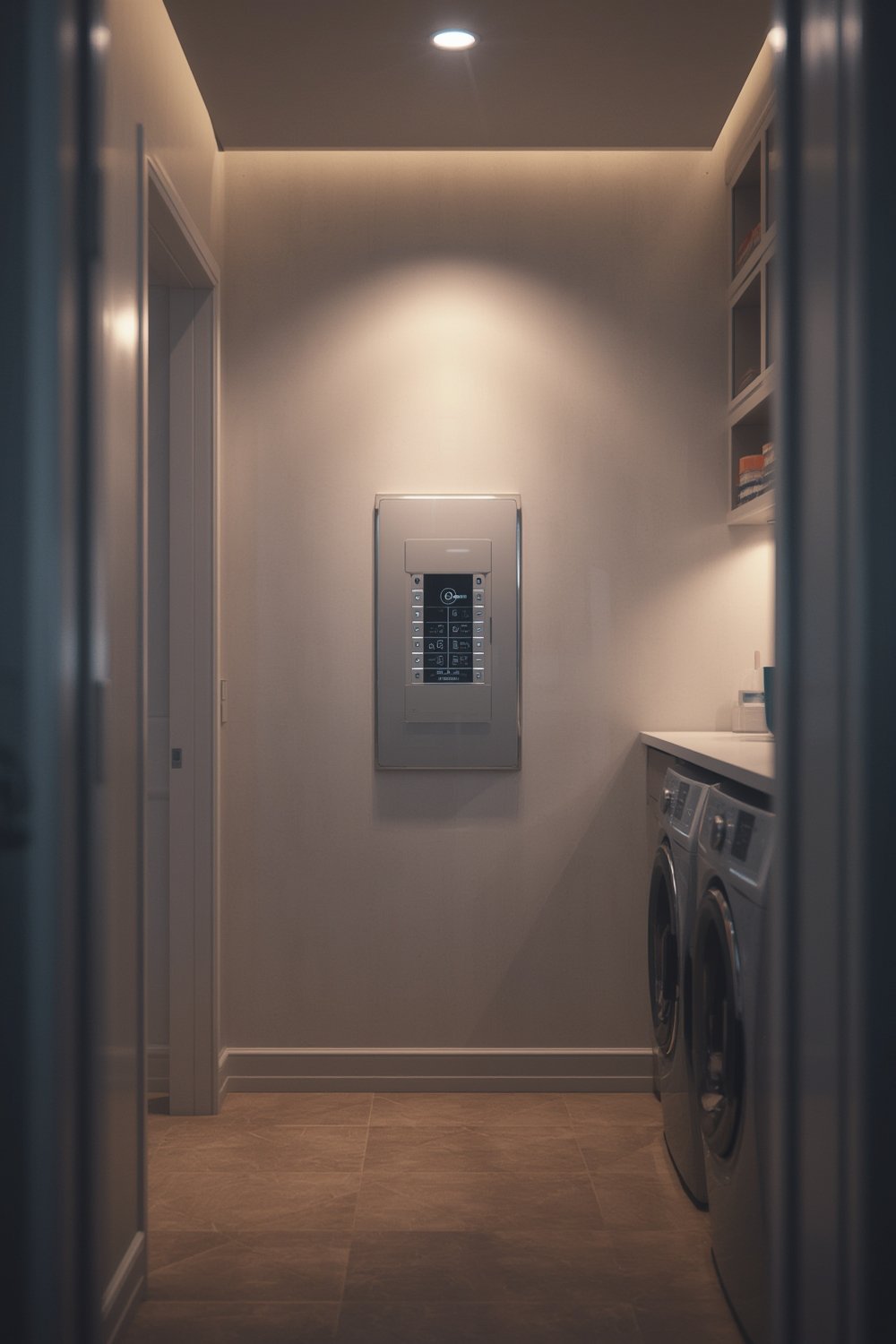
A smart circuit breaker panel is an internet-connected, app-controlled replacement or add-on for your home’s traditional breaker box. Unlike standard panels, these smart systems provide Real-Time Energy Tracking, intelligent load management, remote shutoff control, and the ability to integrate with solar panels, EV chargers, and modern smart home technology.
Market demand is skyrocketing. In 2024, the global smart electric panel market is valued between USD 7.6 billion and USD 12.5 billion, projected to double by 2034 as home electrification, solar, and EV adoption surge (source). These panels unlock AI-powered monitoring, predictive usage analytics, and seamless automation—helping owners optimize for energy savings, comfort, and compliance with new building codes. Smart panels are especially attractive for residential users integrating rooftop solar, adding EV chargers, or seeking more control over their home’s power use.
Unlike plug-in energy monitors, smart breaker panels provide circuit-level insights, making it possible to identify which appliances are using the most power. They bring your home in line with the newest codes like California Title 24 and can help qualify for utility incentives. They are a forward-thinking upgrade for homeowners who want efficient, transparent, and flexible whole-house energy management.
How to Upgrade to a Smart Circuit Breaker Panel: Step-by-Step
Upgrading from a standard to a smart circuit breaker panel involves careful planning, professional installation, and thoughtful smart home onboarding. Here’s a realistic guide to what the project involves:
- Assess your home’s current electrical panel. Is it single-phase (most homes) or three-phase (rare in residences)? Does your existing load support the required amperage? Take inventory of major loads—appliances, HVAC, solar, EV chargers, etc.
- Research available smart panels and modules. Look for compatibility with your existing system, wireless standards (Wi-Fi, Zigbee, Z-Wave, BLE), utility requirements, and smart home platforms (Amazon Alexa, Google Home).
- Secure permits and hire a licensed electrician. Replacing a circuit breaker panel is never a DIY task. Local code compliance, as well as requirements from authorities like UL 916 and OpenADR, must be met.
- Order your equipment. Upfront costs for a complete smart panel, like the Lumin Smart Panel, including hardware and installation, typically fall in the USD 4,000–6,000 range. For app-connected retrofits, costs may be lower.
- Installation and initial setup. Power will be off for several hours. The electrician will install the panel or retrofit modules, connect sensors as needed, and ensure code compliance.
- Connect to your home Wi-Fi and set up the app. Pair the system with your phone or smart home dashboard. Configure circuit names, automation routines, and notifications for power outages or unusual usage.
- Integrate with other smart home devices. Sync compatible loads, such as smart thermostats and solar inverters. Enable automated load shedding (for peak grid hours or demand response programs)—a function that some utility rebates require.
- Monitor and optimize. Use real-time dashboards to track usage, spot vampire loads, and fine-tune automations for energy savings or backup batteries priorities.
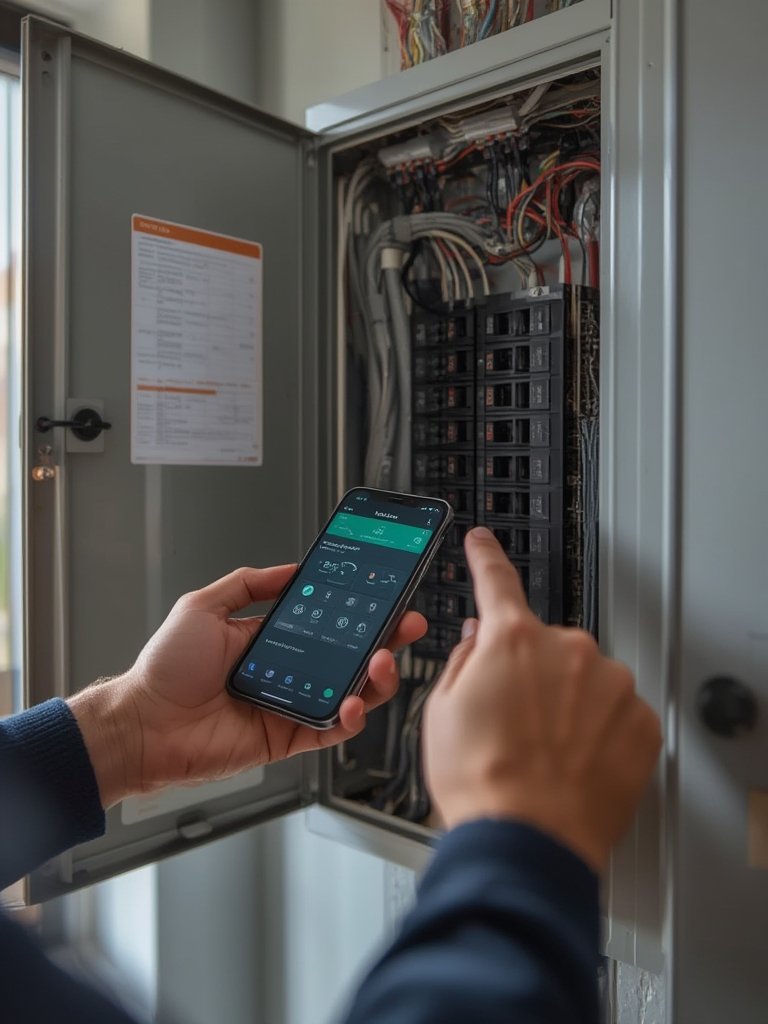
As adoption rises, more smart panel features are focused on AI analytics, load forecasting, cybersecurity (encrypted over-the-air updates), and predictive maintenance, which will make your home more resilient and ready for future tech upgrades—including backup batteries and electric vehicles.
Advanced Analysis & Common Pitfalls
Investing in a smart circuit breaker panel is not always smooth sailing. Here are critical factors, potential downsides, and realistic pitfalls to consider:
1. Compatibility Confusion
Not all smart panels are plug-and-play with older home wiring. Some require full panel replacements, while others allow retrofit modules for legacy setups. Always confirm breaker type, panel size, amperage, and connectivity requirements before you buy.
2. Installation & Permitting Hurdles
Upgrading a breaker panel means hiring a licensed electrician, scheduling city inspections, and facing power downtime during switchover. This process can take days if permitting is delayed, especially in areas with stricter codes like California Title 24.
3. Cost Breakdown and Ongoing Fees
Expect an installed cost of USD 4,000–6,000 for a leading smart panel system. Subscription fees for cloud-based analytics or advanced automation vary by manufacturer, but can add $5–$20 monthly. App and firmware support may be tied to these subscriptions.
4. Lack of Universal Standards
Interoperability is evolving. Most panels support some wireless protocols (Zigbee, Z-Wave, Wi-Fi, BLE) and certifications (OpenADR, CTA-2045, UL 916), but integration with every smart device or home automation platform is not guaranteed.
5. Data Privacy & Cybersecurity
Because these systems monitor and control critical household circuits—sometimes remotely—cybersecurity and robust authentication are essential. Most major brands feature encrypted updates and regular security audits, but not all retrofit modules have strong protections.
6. Limited Direct User Review Data
While reviews for smart breaker panels are generally positive, there’s a lack of large-scale, verified pain point data. Common sense suggests that installation complexity, app bugs, and ongoing software support may be a concern for early adopters.
| Feature | Typical Smart Panel | Traditional Panel | Retrofit Module |
|---|---|---|---|
| Real-Time Energy Tracking | Yes (circuit-level, app-based) | No | Partial (module-dependent) |
| Remote Shutoff | Yes (cloud/app) | No | Sometimes |
| Load Balancing/AI Automation | Full: AI/ML features | No | Basic/None |
| Integration with Solar/EV | Full integration | Very limited | Depends on module |
| Upfront Installed Cost | $4,000–$6,000 | $1,000–$2,500 | $300–$1,200 |
| Ongoing Subscription | Sometimes ($5–$20/month) | No | Rarely |
| Wireless Protocols | Zigbee, Z-Wave, Wi-Fi, BLE | None | Wi-Fi, Bluetooth (varies) |
| Smart Home Platform Support | Common (Alexa, Google, etc.) | No | Sometimes |
| Compliance Incentives | Often eligible | Rarely | Sometimes |
For more home system upgrade ideas, explore our guides on backyard upgrades and maintenance for homeowners.
Conclusion
Smart circuit breaker panels are a future-focused upgrade that empowers homeowners to take control of their energy usage, improve safety, and integrate new tech like solar and EV chargers. While the initial investment and learning curve can be significant, the benefits in energy visibility, automation, and utility incentives are hard to beat.
Ready to consider a smart circuit breaker panel for your next renovation? Start by evaluating your current setup, researching compatible options, and exploring utility rebates. For more insights, check out our articles on maintaining a healthy home ecosystem, including residential lawn care tools and ideas for a perfect backyard. Take charge of your home’s energy future!
Frequently Asked Questions
How much does a smart circuit breaker panel cost to install?
Most whole-home smart panels cost between $4,000 and $6,000 including installation. Retrofit modules for legacy panels can be less expensive, but full features may be more limited.
Do smart circuit breaker panels really save money?
Smart panels can cut electricity bills by making your usage visible, enabling automation, and participating in utility rebates or demand response programs. Actual savings depend on your habits, utility rates, and how actively you manage loads.
Can I install a smart breaker panel myself?
No—this work involves live circuits and must be performed by a licensed electrician under permit for safety and code compliance.
Will my smart panel work with solar, EV chargers, or battery backups?
Most smart panels today support integration with solar inverters, EV chargers, and batteries, but always confirm compatibility with your exact brands and models before purchase.
Are there insurance or code issues with installing a smart panel?
No major home insurance restrictions have been reported. In fact, compliance with updated codes (like California Title 24) may require smart-ready panels for solar and storage. Focus on products with recognized safety certifications for peace of mind.
—