

DIY home energy storage battery projects offer homeowners a practical way to take charge of electricity use, cut grid dependence, and boost backup power for emergencies—if you’re willing to tackle some technical and safety hurdles.
Key Takeaways
- DIY kits let you customize home battery storage but require careful attention to safety, cost, and compatibility.
- Lithium-ion batteries now dominate the market for their efficiency, but real assembly costs and effort can be higher than many expect.
- Legal codes, warranty limitations, and maintenance needs are often overlooked—creating hidden risks and long-term headaches if ignored.
- What Is a DIY Home Energy Storage Battery and Why Bother?
- How to Build a DIY Home Energy Storage Battery: Step-by-Step
- Advanced Analysis & Common Pitfalls
- Conclusion
- FAQ
What Is a DIY Home Energy Storage Battery and Why Bother?
A DIY home energy storage battery is a system you assemble yourself using purchased cells, a battery management system, inverters, and electrical components, allowing homeowners to store electricity for backup, off-peak savings, or self-consumption from solar panels.
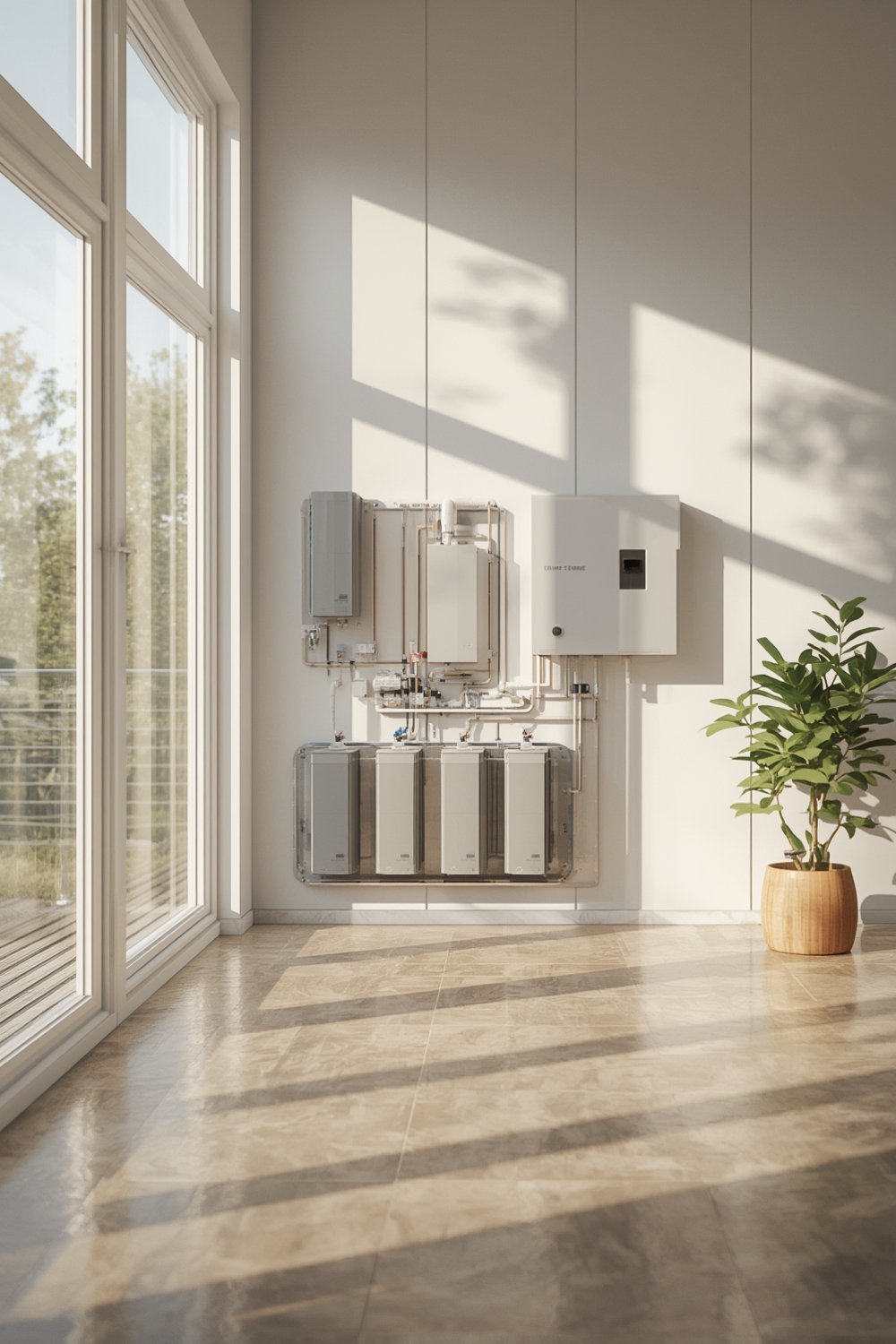
The appeal? Rising power outages, high energy bills, and the plummeting cost of lithium iron phosphate batteries—now down to $137/kWh as of March 2024, compared to $1,000/kWh in 2010 (source). By building your own, you can often tailor capacity, save on labor (maybe), and integrate backup or smart home features for less. The residential battery storage market is booming—over 1,250 MW was installed in the US alone in 2024 (source), making DIY options increasingly popular for homeowners seeking resilience and energy control.
But a word of caution: DIY isn’t one-size-fits-all. Some users discover post-purchase that safety, software compatibility, and local electrical codes are more complex than expected. For many households, assembling a system at home may not be cheaper in the long run than buying a quality pre-built alternative, especially with required protective gear, shipping costs, and professional inspections.
If you’re weighing an energy storage battery against smart electrical upgrades, consider this deep dive on smart circuit breaker panels for home safety and automation for a holistic approach.
How to Build a DIY Home Energy Storage Battery: Step-by-Step
Building a DIY home energy storage battery is not plug-and-play. For a typical 5-15kWh system (the medium sizes that led 2024’s market demand source), here’s a realistic breakdown:
-
Design your system.
- Decide how much backup you want (kWh and kW ratings). A standard system is around 5 kW/12.5 kWh.
- Pick chemistry—lithium iron phosphate (LiFePO4) is now the industry favorite for home DIY due to safety and lifespan versus classic NMC lithium or lead-acid.
- Plan your connectivity (solar, grid, essential circuits). Consider a smart circuit breaker panel for load management.
-
Source parts and tools.
- Batteries (typically pre-welded or prismatic cells for safety)
- Battery management system (BMS) with Bluetooth/app monitoring
- Inverter/charger (pure sine wave, sized appropriately—research if you need split-phase for North America)
- Heavy-gauge wiring, fuses, insulated busbars, mounting racks, proper lugs & crimpers
- fireproof enclosure and basic personal protective equipment (PPE) such as gloves and goggles
-
Assemble and wire the battery pack.
- Arrange batteries per the chosen series/parallel layout—label for troubleshooting. Respect manufacturer torque values.
- Wire in the BMS. Check that voltage sense wires are correct, and all temperature sensors contact the cells directly.
- Double-check all connections before first power-up. If unsure, consult a local electrician.
-
Integrate with inverter, load panel, and optional solar.
- Use a transfer switch if backing up home circuits—it’s required for safety.
- Program system (either via smartphone app or inverter display) for charge/discharge schedules and cutoff thresholds.
- Enable remote status alerts, and consider energy-usage tracking for optimal use—learn more about usage tracking in our energy usage tracking guide.
-
Commissioning, calibration, and tests.
- Always test with a low load after initial setup. Watch for heat, voltage drops, or abnormal BMS fault codes.
- Document everything for warranty and for future troubleshooting.
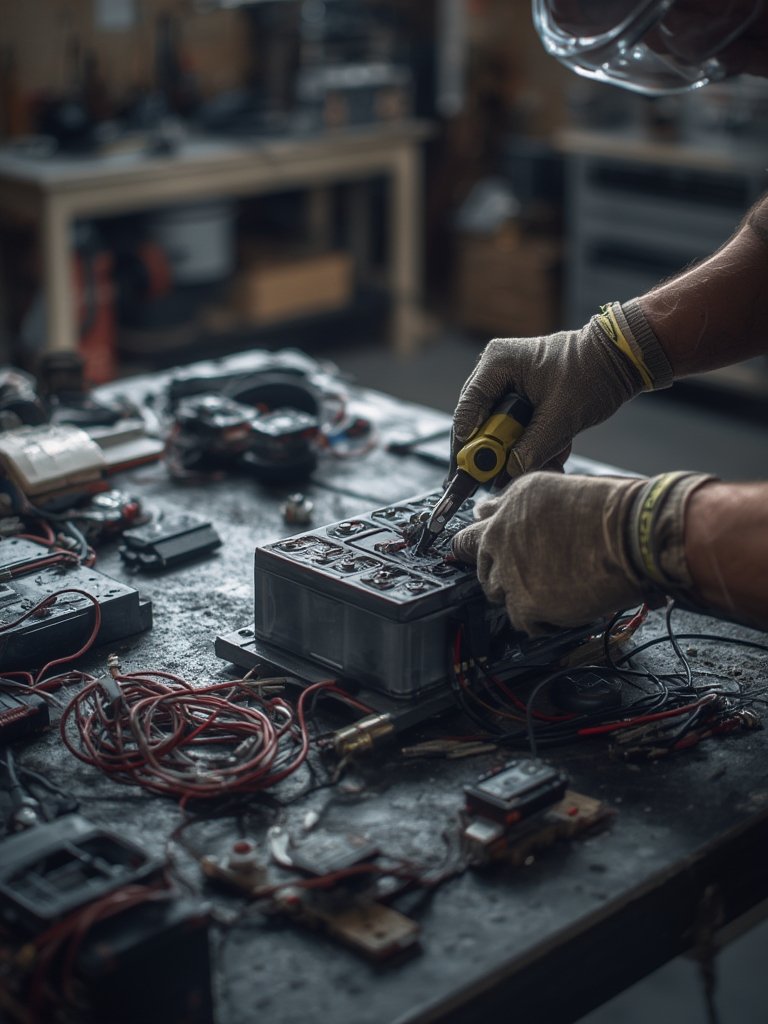
Building takes time. Sourcing, shipping, and assembly often add up to 18-30 hours for first-timers, plus another 10+ for tuning and troubleshooting. Expect to spend $1,300–$2,500 for a reliable 8–15kWh lithium iron phosphate setup, if buying direct from reputable Chinese or US suppliers at today’s battery prices (source). Don’t forget shipping (heavy!), basic PPE, and specialty tools, which can add several hundred more.
Compare this to pre-built portable powerwall alternatives, which are simpler to install and provide warranties, but typically cost 30–50% more per usable kWh and offer less flexibility if your needs change.
If backup power isn’t your only goal and you’re considering full-home energy upgrades, check out our guide for outdoor home improvements that boost value and resilience.
Advanced Analysis & Common Pitfalls
DIY home energy storage battery projects save money and offer customization, but they also introduce real challenges and risks. Here’s what most guides gloss over.
Common Pitfalls in DIY Home Battery Projects
- Underestimating Safety Requirements: Lithium-ion batteries are volatile. Poor assembly, cheap BMS units, or inadequate physical protection can lead to fires or explosions.
- Local Code Violations: Many US municipalities require permitted work and UL-listed equipment. DIY setups may cause problems with homeowners insurance or violate code—especially if hardwired.
- Warranty & Maintenance Gaps: Most DIY battery builds void cell warranties, and if an inverter fails, self-installed units may not be eligible for service.
- Poor System Integration: Compatibility with solar (especially microinverters), generator backups, and home automation is not guaranteed—full integration may mean buying new load panels or professional rewiring.
- Hidden Costs: Shipping for lithium cells can be more expensive than the packs themselves. Custom cables, mounting, fire suppression systems, and electrician troubleshooting add up quickly.
Performance, Safety, and Lifespan—Chemistry Comparison
| Chemistry | Energy Density (Wh/kg) | Cycle Life | Safety | DIY Usability | Typical Residential Use |
|---|---|---|---|---|---|
| Lithium Iron Phosphate (LiFePO4) | 90–160 | 3,000–7,000 | Very Safe | High (Preferred) | Mainstream |
| Lithium-ion (NMC/NCA) | 150–250 | 2,000–4,000 | Good (less thermally stable) | Medium | Tesla/Powerwall |
| Lead-Acid (AGM/Flooded) | 30–40 | 300–600 | Medium (hydrogen gas) | Low | Rare (legacy/low budget) |
For most DIY projects, LiFePO4 balances high safety, longevity, and robust cycle ratings. Lead-acid is nearly obsolete for home-scale storage; NMC lithium (used in commercial products like Powerwall) is still viable but presents more hazards for the average DIYer. For more on safe system expansion and residential circuit upgrades, see our guide to smart circuit breaker panels for load management ideas.
Real-World Use: Can You Use a Battery Without Solar Panels?
Yes. Many systems run off the grid or “time-shift” grid energy for peak shaving and emergency power, especially where net metering is reduced. About 39.2% of residential systems are grid-tied for these scenarios (source). Just size your inverter for your expected critical loads and install legally required transfer switches. Integration with non-solar loads often means using smart panels (see our load management guide).
Top use cases include emergency backup, load shifting for lower utility bills, and serving as a whole-home uninterruptible power supply during outages.

Legal, Warranty, & Safety Considerations
- All work on your home’s electrical system must comply with the NEC (National Electrical Code), state rules, and utility interconnection guidelines. Some areas prohibit self-install at certain voltages.
- DIY systems usually void manufacturers’ warranties on cells and inverters.
- Many insurance policies exclude coverage for damages from unpermitted electrical modifications or non-certified energy storage installations.
- Professional inspection is wise—and in some places, required before grid connection.
If you want a low-effort or code-compliant backup, consider pre-certified “plug-and-play” systems or smart panels. For a deeper dive into energy resilience, see our rundown on the best tools for resilient home upgrades.
Conclusion
Building your own home battery storage is achievable for a dedicated DIYer with good electrical skills. Lithium iron phosphate cells, now at historic low prices, are the safest and most robust choice. But buyers should factor in hidden costs, complex code rules, and effort—sometimes a smart power distribution panel or certified backup system is a faster and safer path.
If you want true energy control and savings, start with a clear plan, realistic cost estimate, and always double-check safety and warranty limitations. For more ways to safeguard your property and make smart energy investments, don’t miss our guides to AI-driven energy management and improving home resilience. Ready to upgrade? Dive into your own DIY home energy storage battery project today!
FAQ
Is it really safe to build a DIY home battery?
If you use quality lithium iron phosphate cells, a robust battery management system, and follow all local codes and safety practices, it can be safe—but risks like electrical fires, toxic gas release, and code violations are real. If unsure, hire a licensed pro to check your work.
How much money will I actually save with a DIY build?
Building your own can cut costs 10–30% over name-brand systems—if you’re careful with shipping, buy in bulk, and do all labor yourself. Hidden expenses (professional inspections, custom cables, PPE) may shrink the savings, especially on smaller 5-8kWh systems.
Can I add energy storage without solar panels?
Definitely. Most modern inverters let you store grid power for time-of-use savings, backup, or arbitrage. Just ensure your battery/inverter is sized for your target loads and install a transfer switch for safe manual changeover.
What maintenance does a DIY battery require?
Regularly check for loose connections, cell voltage drift, temperature spikes, and run periodic capacity tests via your BMS or inverter. Keep logs for troubleshooting and spot-warranty issues quickly—proactive care extends your system’s lifetime.
What code or warranty issues should I expect?
Most DIY battery builds are not UL-listed, and local codes may prohibit self-installed systems beyond a certain size. Most battery suppliers void warranties for DIY use, and insurance may not cover DIY electrical work. Always check your regulations before you start.