

### Blog Post:
Smart circuit breaker panel upgrades are changing how homeowners monitor, manage, and automate energy in 2024. If you’re considering an upgrade for safety, automation, or energy insight, understanding the differences, costs, and installation realities is crucial. This guide breaks down what really matters—no marketing hype, just practical facts.
Key Takeaways
- Not all smart circuit breaker panels deliver full-home automation—features, compatibility, and costs vary widely by brand.
- Installation often requires professional electricians and may involve hidden labor, module, or retrofit expenses.
- Integrated safety, real-time monitoring, and automation offer advantages over traditional panels, but savings and adoption stats remain unclear.
- What Is a Smart Circuit Breaker Panel and Why Upgrade?
- How to Choose and Install a Smart Circuit Breaker Panel: Step-by-Step
- Deep Dive: Issues, Brand Comparisons, and Real-World Pitfalls
- Conclusion: Is a Smart Circuit Breaker Panel Worth It?
- FAQ: Smart Circuit Breaker Panels in 2024
What Is a Smart Circuit Breaker Panel and Why Upgrade?
A smart circuit breaker panel replaces your standard electrical panel to give you real-time energy monitoring, remote control over circuits, safety automation, and the ability to integrate with solar plus home automation. Unlike old-school breaker boxes—where you check switches manually during outages—smart panels let you monitor loads, control circuits from your phone, and automate backup priorities for batteries or generators.
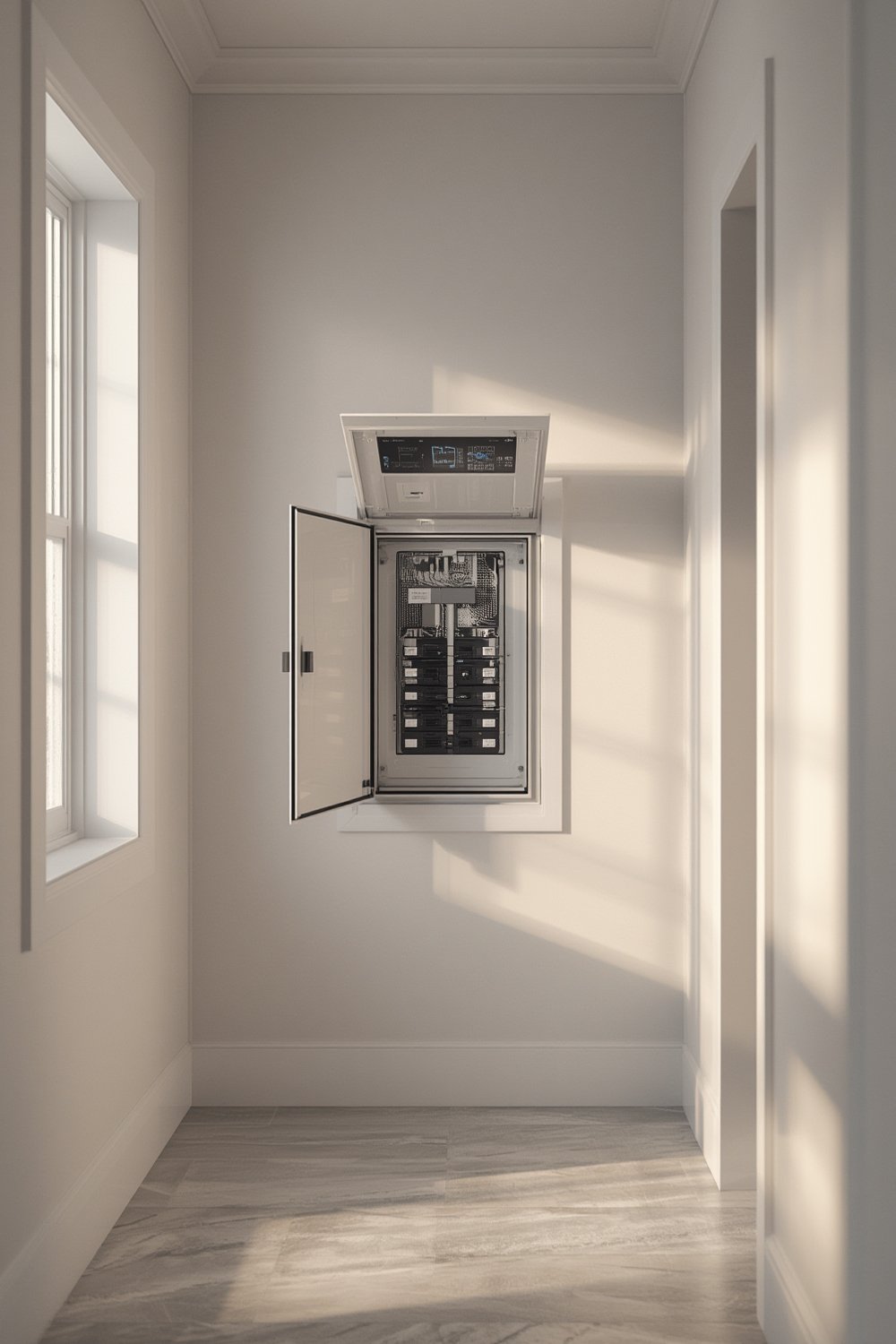
Brands like SPAN offer 32-circuit full-panel intelligence and battery compatibility, while Schneider Electric Pulse and Savant make modular systems that upgrade legacy panels with smart modules. Leviton and Lumin target retrofits and limited-circuit sub-panels.
A smart circuit breaker panel is ideal for homeowners adding solar, batteries, or EV charging. It enables you to shed non-essential loads, respond to real-time rates, and future-proof your power control—features most traditional breaker boxes just don’t offer. Want to see how to upgrade? Read our in-depth Proven Guide to Smart Circuit Breaker Panel Upgrades for practical steps.
How to Choose and Install a Smart Circuit Breaker Panel: Step-by-Step
Upgrading to a smart power distribution panel isn’t just about swapping a breaker box. It demands careful planning, budget checks, and understanding hardware and compatibility. Here’s how to do it right:
- Assess Your Needs: Identify key objectives—energy monitoring, solar integration, backup load control, app-managed safety, or automation.
- Choose the Right Brand & Model: SPAN for full-panel, Schneider for modular flexibility, Savant or Leviton for retrofits, Lumin for smaller smart sub-panels. Weigh circuit limits and what’s required for your home.
- Get a Professional Electrical Assessment: Not all panels or load centers are compatible. Have a qualified electrician inspect your existing setup to identify upgrade pathways and safety requirements.
- Budget All Costs Upfront: Factor in hardware ($98-240 per module for Leviton/Savant), labor (potential panel rewiring, permitting), and the total install price ($4,000-$8,000 fully installed for most whole-home systems).
- Plan Smart Features & Integrations: If you plan to add batteries, solar, or home automation, verify that your panel is compatible (e.g., SPAN fully supports Tesla Powerwall, Lumin integrates with many inverter models).
- Schedule Professional Installation: DIY is not advised—panel upgrades involve live 240V wiring. Always use a licensed electrician.
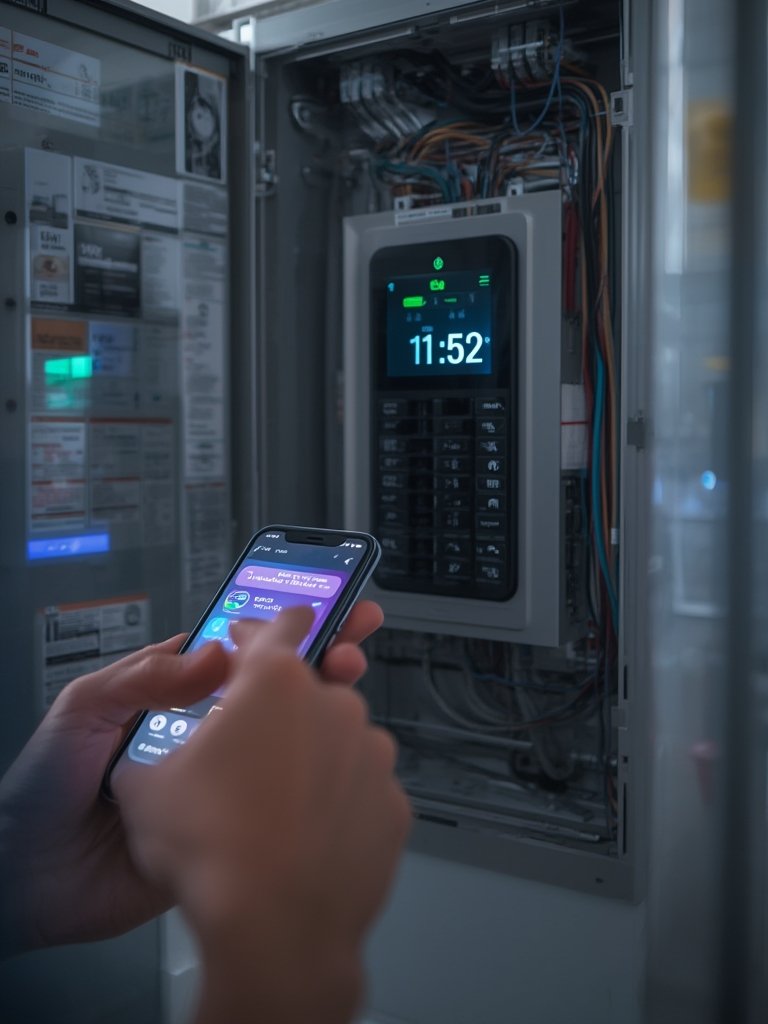
- Test and Set Up App Controls: After install, configure the mobile/web app, set circuit priorities, and test remote control.
Curious how this fits into a whole-home efficiency plan? Explore our backyard upgrade guide for more on future-proofing and maintenance.
Also, many brands promise energy savings, but there are no verified statistics on electricity reduction yet. Focus on automation, monitoring, and safety as your main benefits.
Deep Dive: Issues, Brand Comparisons, and Real-World Pitfalls
Smart electrical panels offer powerful features, but there are downsides and limitations you need to know before starting:
| Brand/Model | Core Features | Circuit Control | Battery/Solar Integration | Est. Hardware & Installed Cost | Key Drawbacks |
|---|---|---|---|---|---|
| SPAN Panel | Full-panel smart circuits, app monitoring, load shedding | 32 circuits | Tesla Powerwall, Enphase compatible | Contact installer for quote (typically $4,500-8,000 total) | Full panel replacement needed, higher up-front cost |
| Schneider Electric Pulse | Modular smart circuits, factory surge, backup control | Only with added modules | Solar + storage ready (Schneider ecosystem) | $5,000-8,000 installed | Most circuits not smart by default, extra cost/modules |
| Leviton Load Center | Wi-Fi smart breakers, remote alerts | Per-breaker ($98-196 each) | No built-in support | Varies by breaker count, plus labor | No panel-wide control, basic automation |
| Lumin Panel | Smart sub-panel, app scheduling, energy tracking | 12 circuits | Universal battery/solar compatibility | Hardware $2,100-2,900, total $4,000-6,000 | Limited to 12 circuits/sub-panel design |
| Savant Power System | Modular upgrades, automation platform | Module-based ($120-240 each) | Integrates with Savant automation | Modules + professional labor | Takes extra panel space, whole-home features limited |
Common Pitfalls and Complaints:
- Hidden costs such as required extra modules (Schneider), upgrade labor, or space issues (Savant, Leviton) which aren’t always clear during initial research.
- Lack of centralized control in modular/retrofit setups—Leviton, for example, isn’t panel-wide smart, just breaker-level.
- Limited number of controllable circuits—Lumin only supports 12, which is not sufficient for larger homes.
- No widespread user feedback yet on app glitches or tracking inaccuracies, but early adopters cite immature smart features and limited automation compared to promises.
- No long-term data available on maintenance fees or software subscriptions—always double-check with each manufacturer or installer.
Compared to traditional panels, it’s clear that smart circuit breaker panels add real automation and safety, but upgrade challenges, recurring costs, and integration headaches aren’t rare. Want more on maximizing energy management after upgrade? Check out our advanced optimization guide for deeper insights.

Conclusion: Is a Smart Circuit Breaker Panel Worth It?
For most modern homes—especially those integrating solar, battery backups, or home automation—upgrading to a smart circuit breaker panel provides remote safety controls, automation, and future-ready energy management. However, costs, circuit limits, and install complexity vary widely by brand. Research compatibility, account for all expenses (modules, labor, possible upgrade of entire panel), and consult a licensed electrician before making the leap.
Ready to future-proof your home? Start your smart load management project here for actionable next steps and deeper technical guidance.
FAQ: Smart Circuit Breaker Panels in 2024
Can I add a smart circuit breaker panel to my existing electrical setup?
Yes, many brands offer retrofit modules (like Leviton or Savant) that can be added individually to standard panels. However, for full-home control and automation, a complete smart panel swap such as SPAN or Schneider is required.
Are there ongoing subscription or maintenance fees with these panels?
As of 2024, most brands do not require subscription fees for app access or panel usage, but check with the installer. Maintenance needs are minimal, but software updates or future integrations may carry costs later.
Will I actually save money on my electric bill with a smart circuit breaker panel?
While real-time load management can help reduce peak usage, no verified statistics show specific savings percentages yet. The main benefits are automation, control, safety, and solar/battery optimization.
What home automation systems are smart circuit breaker panels compatible with?
SPAN integrates with popular battery systems like Tesla Powerwall and Enphase. Savant panels work within their own automation ecosystem. Compatibility varies by brand—verify before purchasing if integration is critical for your home.
Are permit or inspection requirements different for smart panels?
In most US jurisdictions, a permit and professional installation are required for any panel replacement or major retrofit due to safety codes and inspection requirements. DIY is risky and not recommended.