

### Blog Post:
Smart circuit breaker panel upgrades are quietly transforming home energy management, merging real-time data, safety automation, and modern flexibility for homeowners ready to embrace the next-level electrical panel. But is all the buzz over smart panels warranted? This guide breaks down how they work, key ROI facts, major challenges, and honest pitfalls—so you can decide whether a smart circuit breaker panel is right for your home.
Key Takeaways
- Smart circuit breaker panels offer granular control, live energy data, and remote safety—but have a high upfront cost and technical requirements.
- Next-gen panels help homeowners integrate solar, EV charging, and battery backup, becoming central to home electrification.
- Despite rapid growth, real-world energy savings and seamless integration still face hurdles—especially in older homes.
- What Is a Smart Circuit Breaker Panel and Why Upgrade?
- Step-by-Step: How to Upgrade to a Smart Circuit Breaker Panel
- Advanced Analysis and Common Pitfalls: Smart Panel Reality Check
- Conclusion
- FAQ
What Is a Smart Circuit Breaker Panel and Why Upgrade?
A smart circuit breaker panel is an intelligent upgrade over the standard electrical breaker box. Unlike traditional panels, smart panels offer real-time energy monitoring, circuit-level controls, and app integration—often powered by AI and IoT connectivity. This gives homeowners insight into exactly how much electricity each appliance and circuit is drawing at any moment. Features such as scheduling, remote shutoff, and even automatic load balancing during outages make managing home energy simpler and safer.
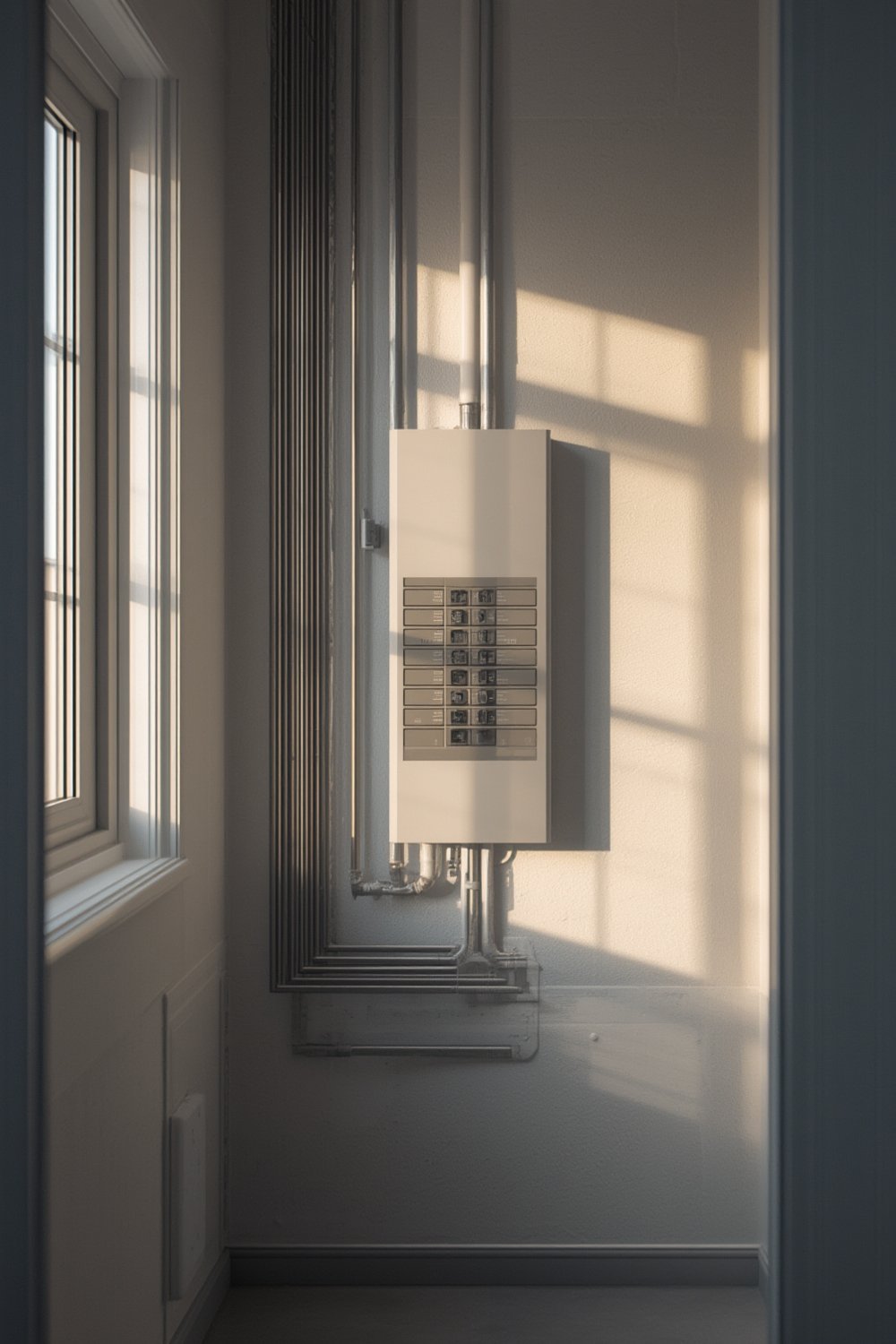
In 2024, demand for smart circuit breaker panels and AI-driven home energy management is skyrocketing. The global market for these systems reached around USD 7.6 billion in 2024 with a projected growth rate close to 10 percent annually. Homeowners are driving this market, especially those installing solar, planning for EV charging, or wanting backup power. Integration with other smart home tech and compliance with modern energy codes are further fueling adoption. The result? More control, better safety, and potentially lower electricity bills—if you choose carefully.
Step-by-Step: How to Upgrade to a Smart Circuit Breaker Panel
Upgrading to a smart electric panel takes planning, budget, and working with skilled electricians. Here is what the journey looks like:
-
Assess Your Current System
Review your existing panel’s make, model, and available amperage. Check if you have space for expansion. Older panels may need a full replacement for smart tech to work reliably. -
Set Priorities
Decide what’s most important: solar integration, EV charging, backup battery support, app control, or simply monitoring your usage. Not every smart breaker panel offers all the same features. -
Compare Top Products
Research brands like SPAN, Leviton, or Schneider Square D. Look for circuit-level monitoring, surge protection, support for solar input, and app ecosystem compatibility. For deep comparisons, check out our complete guide with brand breakdowns. -
Check Certifications
Ensure any panel system meets UL (US) or CE (EU) safety marks, and aligns with local requirements such as NEC code, Title 24 solar readiness, or EU Net Zero mandates. -
Get Quotes and Plan Installation
Talk to licensed electricians for a site visit and firm quotes. In 2024, expect a smart panel install to cost between USD 7,000-12,000 (including device, app setup, and labor). Add USD 500-2,000 for monitoring or surge modules. -
Prepare for Downtime
Installation replaces (or in some cases supplements) your whole-panel breaker box. Power will be off for several hours. -
App Configuration & Training
After installation, set up your mobile or desktop app. Learn the interface, configure circuit labeling, set automation rules, and invite family members. Test remote shutoff and notifications. -
Optimize and Monitor
Use real-time insights to spot energy drains, schedule loads outside peak billing hours, or optimize battery backup. Over time, monitor your energy bills and adjust as needed.
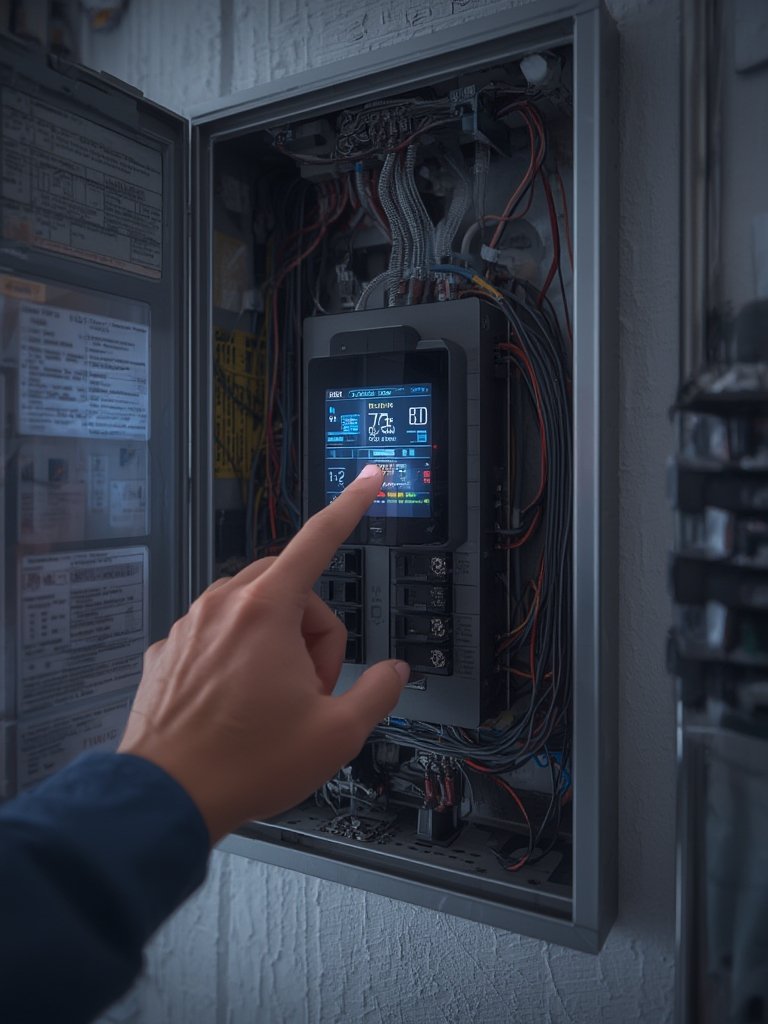
Want to create a whole-home ecosystem? Pair your new smart circuit breaker panel with other connected home upgrades like robotic mowers or weather-aware irrigation. This amplifies automation and can boost your home’s energy efficiency as a complete system.
Advanced Analysis and Common Pitfalls: Smart Panel Reality Check
While market growth is robust, real-world installation and use are not without downsides. Below are the most common pitfalls you might encounter:
- High Upfront Cost: Price remains the biggest roadblock, especially for households not planning to add solar or EV charging. Recouping investment via energy savings may take years.
- Integration Complexities: Legacy wiring or breaker types often aren’t compatible with full-featured smart panels. Some products offer clamp-on monitoring modules, but automation is limited with retrofits.
- No Standard ROI Metrics: Vendors promise lower bills through peak shaving and load management, but there is a lack of clear data on real savings rates or outage prevention improvements after a 2024 install.
- Technical Complexity: Running the app, configuring automations, and managing firmware may not suit all homeowners. Supply chain shortages may also delay install or part replacements.
- Safety and Compliance: Replacing a main panel is a major job; failing to follow code or use certified gear could risk insurance issues or failed inspections.
| Issue | Reality (2024) | What to Do |
|---|---|---|
| ROI & Energy Savings | No consistent, published payback metrics. Vendor claims are not always substantiated. | Track bills monthly, ask installer for transparent projections, look for real reviews. |
| App & Ecosystem Bugs | App glitches or update lags may impact controls or automations. | Opt for systems with well-reviewed apps. Check support channels and update policies. |
| Interoperability | Limited integration with generic batteries, non-partnered HVAC, or custom automations. Matter/Zigbee compatibility varies. | Ask up front about third-party device support. Look for Matter/Zigbee compatibility if you have complex needs. |
| Failure During Outages | Few studies track AI-driven load management reliability or true outage-time reductions. | Ensure clear priority settings for backup power; ask installer about failover logic and system redundancy. |
| Security | Cybersecurity remains a concern. No public breach statistics, but attacks on smart homes are rising yearly. | Use strong app passwords, firewall your panel’s connections, and keep firmware up to date. |
Product choice and contractor experience make all the difference. For guidance on the best brands and detailed installation advice, check our full smart circuit breaker panel upgrade guide.
Conclusion
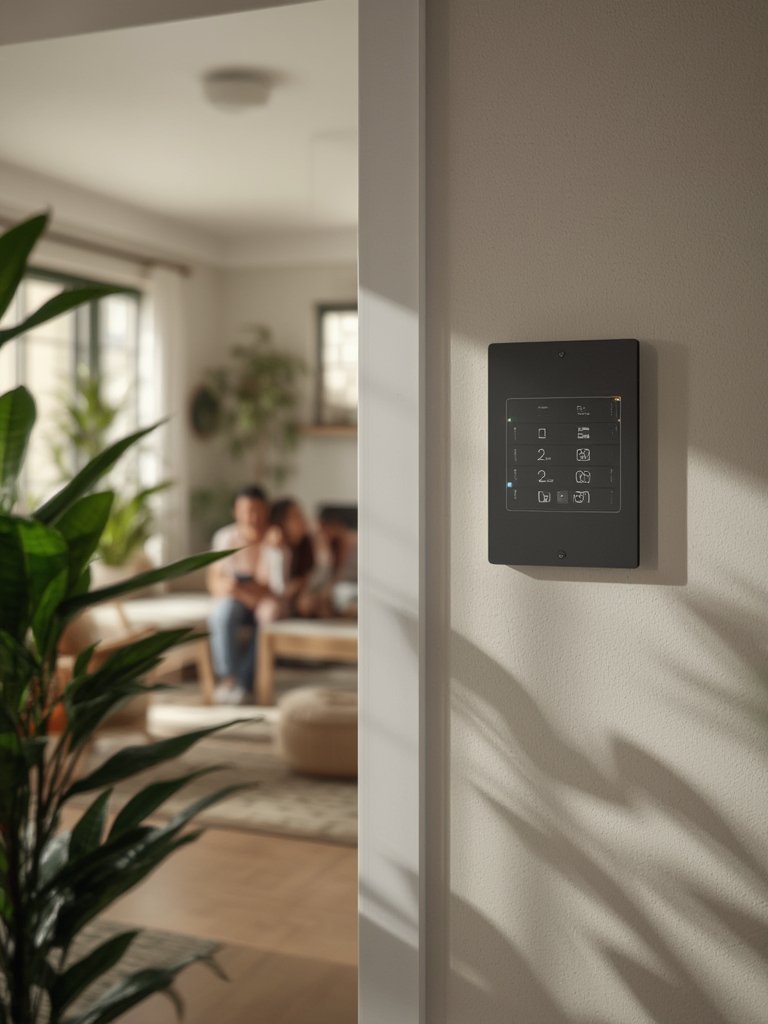
Smart circuit breaker panels are rapidly becoming the centerpiece of modern homes—offering granular power control, app-managed automation, and essential infrastructure for solar, EVs, and energy resilience. However, high initial investment, technical hurdles, and evolving standards mean they are not a universal fit. If you are considering a smart circuit breaker panel, weigh the costs, choose proven brands, and work with reputable installers. Ready to step up your home’s electrical intelligence? Explore top-rated products and real homeowner tips in our in-depth guide or consult a licensed electrician to get started.
FAQ
Is a smart circuit breaker panel compatible with my old wiring?
Most modern smart panels require an upgraded breaker box and compatible wiring, but some monitoring modules can retrofit to older panels without invasive work. For legacy homes, ask an installer to assess compatibility before purchase.
What certifications should my smart panel have in the US or EU?
In the US, look for systems marked UL (Underwriters Laboratories) and NEC code compliance. In the EU, CE marking and adherence to local electrical codes are key. Ask your installer for documentation with any proposal.
How long does a smart panel installation take?
Most installations take a half to full day, assuming no major panel upgrades are needed. Major rewiring or solar/EV integrations may require longer.
Will a smart circuit breaker panel lower my electricity bill?
Potentially, yes—especially if you use its load-shifting and energy optimization features. However, actual savings depend on usage habits, local utility rates, and the features you use most. Clear ROI data is still emerging as more homes adopt the technology.
Are there hidden costs with smart electrical panels?
Upgrades sometimes require additional surge protection, multi-year app subscriptions, or extra installation work beyond the initial quote. Ask for a full cost breakdown up front.