

### Blog Post:
Bug spray for yard safe for pets is a top concern for homeowners who want a pest-free, comfortable yard without risking the health of their dogs and cats. As pet-friendly insect control grows in popularity, the demand for effective and truly non-toxic solutions is at an all-time high. But are these sprays really safe, and do they work as advertised? This realistic guide cuts through the confusion with actionable advice, pitfalls to avoid, and evidence-based best practices.
Key Takeaways
- The pet-safe yard bug spray market is growing fast, driven by increased pet ownership and demand for natural, non-toxic solutions, but ingredient safety varies widely.
- Natural ingredients like citronella and some plant-based oils are popular, but not all products are equally effective or 100% safe for every pet.
- Scientific studies on effectiveness and reported pet health incidents remain limited, so choosing and applying these products requires caution and a realistic approach.
- Understanding Bug Spray for Yard Safe for Pets
- How to Safely Use Pet-Friendly Bug Spray in Your Yard: Step-by-Step
- Advanced Analysis and Common Pitfalls of Pet-Safe Yard Bug Sprays
- Conclusion
- FAQ
Understanding Bug Spray for Yard Safe for Pets
Bug sprays that claim to be safe for pets aim to control pests like mosquitoes, fleas, ticks, and ants in your outdoor spaces—without causing harm to animals. These products are popular among families who let dogs or cats roam in the yard, and with concerns about insect-borne diseases such as Lyme disease and heartworm fueling sales, the market is projected to reach USD 1.8 billion in the US by 2034 (4.1% CAGR).
Most pet-safe sprays use plant-derived ingredients or essential oils (like citronella or peppermint) instead of conventional pesticides. Still, “natural” doesn’t guarantee universal safety or effectiveness—different pets may react differently, and some so-called safe formulas may still pose risks, especially if applied incorrectly.
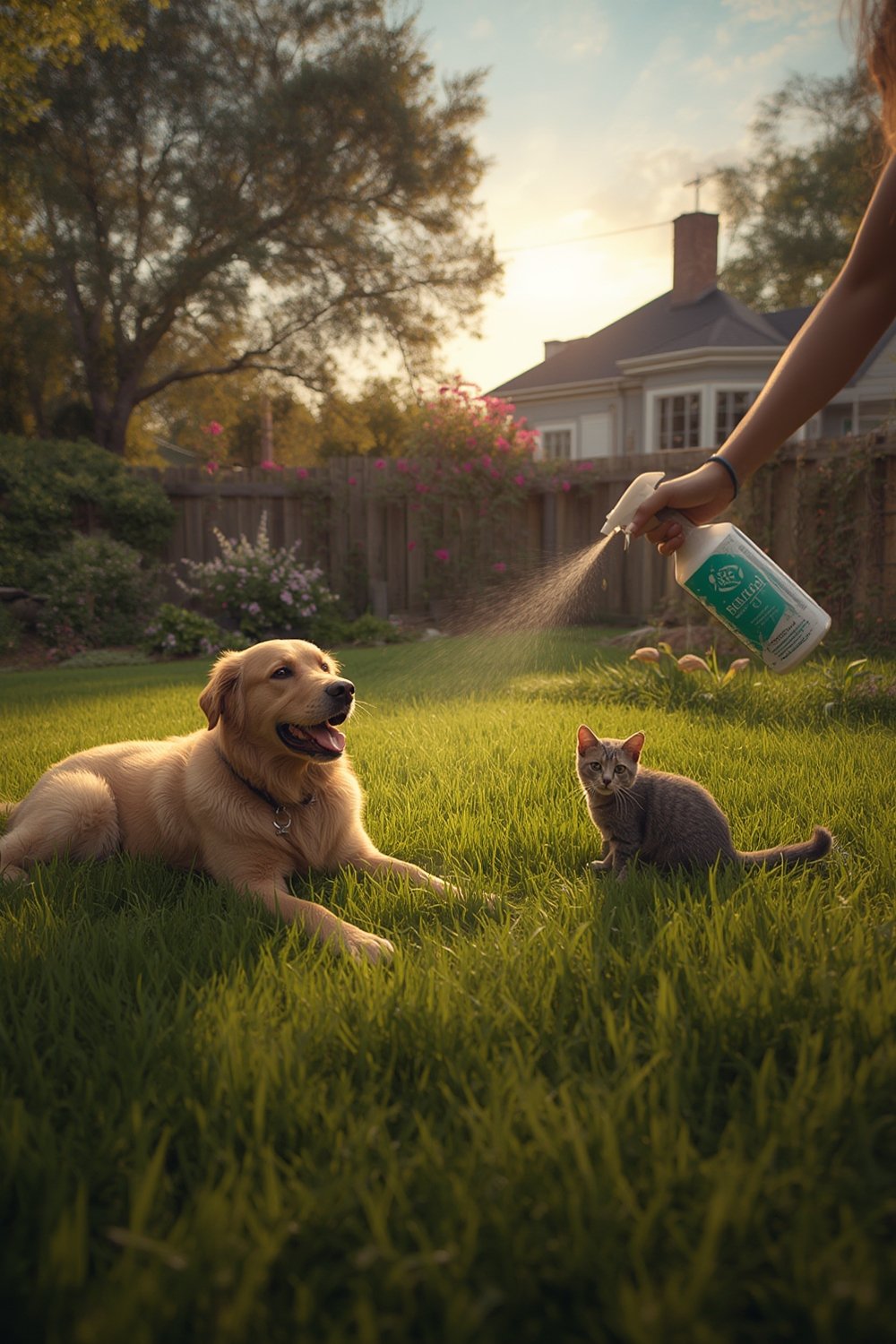
While the trend is toward greener options, there’s currently limited scientific data on how pet-safe sprays actually compare to conventional bug killers in real yards, or which ingredients deliver the best results with the fewest risks.
Whether you’re upgrading your landscaping or combining bug spray with other lawn care tools for a healthier backyard, understanding the real benefits—and limits—of these products is essential for happy pets and humans alike.
How to Safely Use Pet-Friendly Bug Spray in Your Yard: Step-by-Step
- Read the Label Thoroughly
Even if the bug spray claims to be “pet safe,” check all active ingredients. Look for plant oils (citronella, cedar, lemongrass, peppermint, rosemary) and avoid formulas with DEET or synthetic pyrethroids unless explicitly cleared by your vet for outdoor use around your animals. - Spot Test First
Pick a small, inconspicuous area of your yard and lightly spray the product. Wait at least 24 hours to check for residue, pet interest, or reactions. - Remove Pet Food, Toys, and Bowls
Before spraying, pick up anything your pet might lick or chew. This prevents accidental ingestion of residues. - Apply on a Dry, Calm Day
Windless weather minimizes drift, and dryness helps the product absorb where needed. Keep pets indoors while spraying and until the yard is fully dry—often at least 2–4 hours. - Monitor Pets Afterwards
Watch for unusual behavior (excessive licking, scratching, upset stomach), especially after first use or if you’re trying a new formula. - Reapply as Directed, Not Excessively
Over-application won’t boost effectiveness and may increase health risks. Follow the reapplication schedule on the packaging. - Consider DIY Solutions
For small yards, simple soapy water (castile soap and water) or DIY herbal sprays (with safe essential oils) can deter some pests and reduce your reliance on commercial formulas—just double-check ingredient safety per your pet species and consult your vet if unsure. - Combine With Yard Upkeep
Mow, remove standing water, and keep landscaping tidy using the best lawn maintenance routines. This naturally reduces pest populations and boosts spray effectiveness.
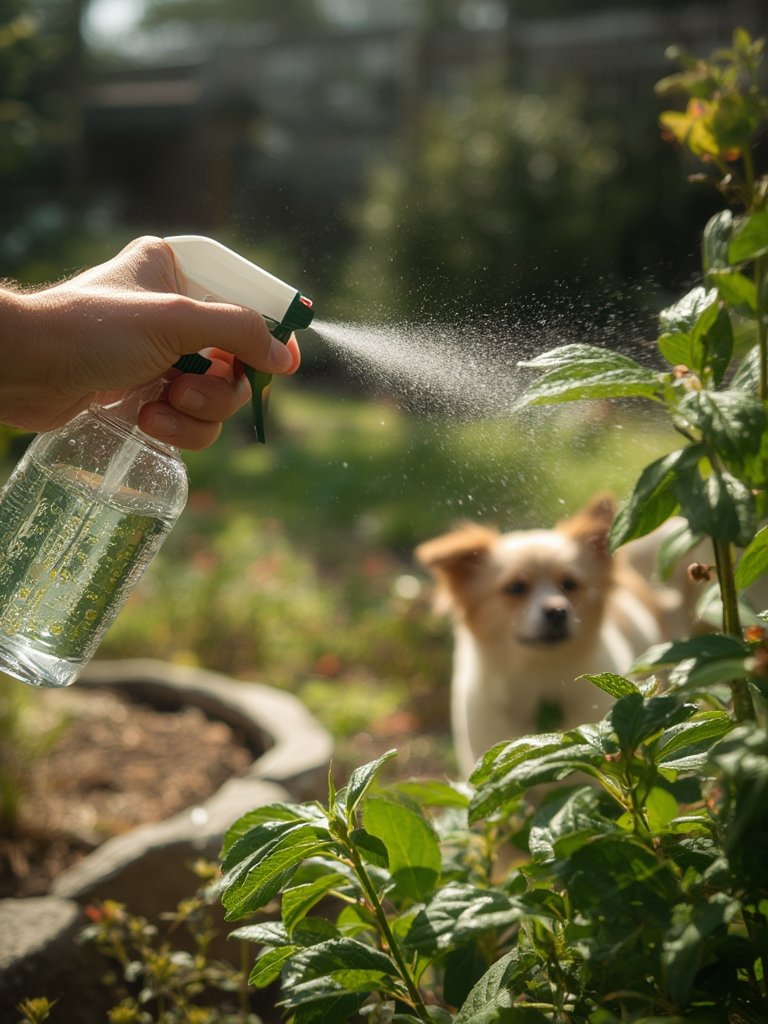
Incorporate outdoor bug spray into a holistic pest strategy: good yard cleanup habits, landscaping, and physical barriers (like screens or netting) all reduce the need for repeated chemical use.
Consider quick upgrades to your overall home safety, such as smart outdoor lighting or a home security device, to further protect pets and property after dark.
Advanced Analysis and Common Pitfalls of Pet-Safe Yard Bug Sprays
No solution is perfect—and many “pet-safe” bug sprays are not as foolproof as advertised. Here’s what the research and real-world experience reveal:
- Effectiveness varies considerably. Without robust scientific studies, there’s no definitive proof that natural sprays work as reliably or last as long as synthetic bug killers. Many users report only partial reduction in mosquitoes and yard pests after spraying.
Source. - Labeling can be confusing or incomplete. “Pet-friendly” or “natural” is not a guarantee of absolute safety—read the full ingredient list, avoid marketing hype, and look for products with third-party safety certifications where possible.
- Potential for pet reactions. While documented health incidents are rare (no recent cases found in 2020-2024), even natural plant oils can irritate sensitive pets, especially cats. Always err on the side of caution and test new products in small amounts.
| Product Type | Example Ingredients | Claimed Pet Safety | Effectiveness (Real World) | Potential Pitfall |
|---|---|---|---|---|
| pet-safe yard bug spray | Citronella, cedar oil, peppermint, lemongrass | Usually safe if used as directed; always verify for each pet | Moderate to good if pests are light; reduced impact on heavy infestations | Ineffective during heavy rain or for severe pest problems |
| Conventional (Synthetic) Spray | DEET, permethrin, pyrethroids | Often not pet-safe; may cause toxicity especially in cats | Strong and long-lasting, but higher risk for pets | Risk of poisoning or health issues on contact/ingestion |
| DIY Solutions | Soapy water, homemade essential oil blends | Safe if pet-safe ingredients are used | Varies; most effective for small localized infestations | Inconsistent results; possible residue; some oils unsafe for pets |
Additionally, many commercial sprays do not provide third-party test data for their pet safety claims. Always confirm with your veterinarian or local extension office if you’re unsure. For more robust solutions, consider combining sprays with natural pest-reducing landscape upgrades or automated watering (timed when pets are indoors).

Conclusion
Choosing a bug spray for yard safe for pets starts with skepticism, research, and careful step-by-step use. While the market is booming and “pet-friendly” sprays are getting better, gaps in scientific validation mean you must test products carefully and combine them with solid lawn care. Smart, realistic pest control is about minimizing exposure and monitoring your pets—not trusting slogans or miracle fixes.
Ready to make your yard safer for everyone? Start small, read every label, and pair your bug spray approach with proven lawn maintenance tools for healthier, happier outdoor living—and don’t hesitate to ask your vet before trying a new treatment.
FAQ
Are all natural yard bug sprays automatically safe for dogs and cats?
No. While many natural sprays use plant oils, some essential oils (like tea tree or clove) can be toxic, especially to cats. Always read labels and consult your vet about pet-safe options before spraying.
How long should I keep pets off the lawn after spraying?
Most experts recommend keeping animals inside until the sprayed area is fully dry—generally at least 2 to 4 hours, or as specified on the product label. When in doubt, err on the side of caution.
What should I do if my pet licks or eats treated grass?
Rinse your pet’s mouth with clean water, monitor for symptoms (drooling, vomiting, lethargy), and contact your vet immediately if you notice anything unusual or if the product contained unknown or synthetic chemicals.
Do pet-safe sprays work against all outdoor pests?
Most sprays target mosquitoes, fleas, and ticks. They may not work as well against ants, grubs, or larger infestations. Combine with good yard hygiene for best results.
Can I make my own DIY yard bug spray for pets?
Yes, but only use pet-safe ingredients (like diluted cedar or rosemary oil) and never apply undiluted essential oils. Always spot test first and check with your vet, especially for cats or young animals.