

### Blog Post:
Smart water leak detector with shut off systems can help you avoid expensive water damage and stressful home repairs. If you want protection from hidden leaks and burst pipes, this technology gives you instant detection, fast shut off, and real peace of mind—if you know what to expect before you buy and install.
Key Takeaways
- Water leaks cause an average of $15,400 in property claims per incident and affect 14,000 US homes every day. A smart water leak detector with automatic shut off can help prevent these costly disasters.
- Installation and maintenance can be trickier than most guides admit. Plan ahead for WiFi, compatibility, and plumbing challenges.
- Technical features and insurance incentives vary by product and location—always check service terms, warranties, and integration details before you commit.
- What Is a Smart Water Leak Detector with Shut Off—and Why Use One?
- Step-by-Step Guide: Choosing and Installing the Right System
- Advanced Analysis & Common Pitfalls (Real-World Insights)
- Conclusion: Are Smart Water Leak Detectors with Shut Off Worth It?
- FAQ
What Is a Smart Water Leak Detector with Shut Off—and Why Use One?
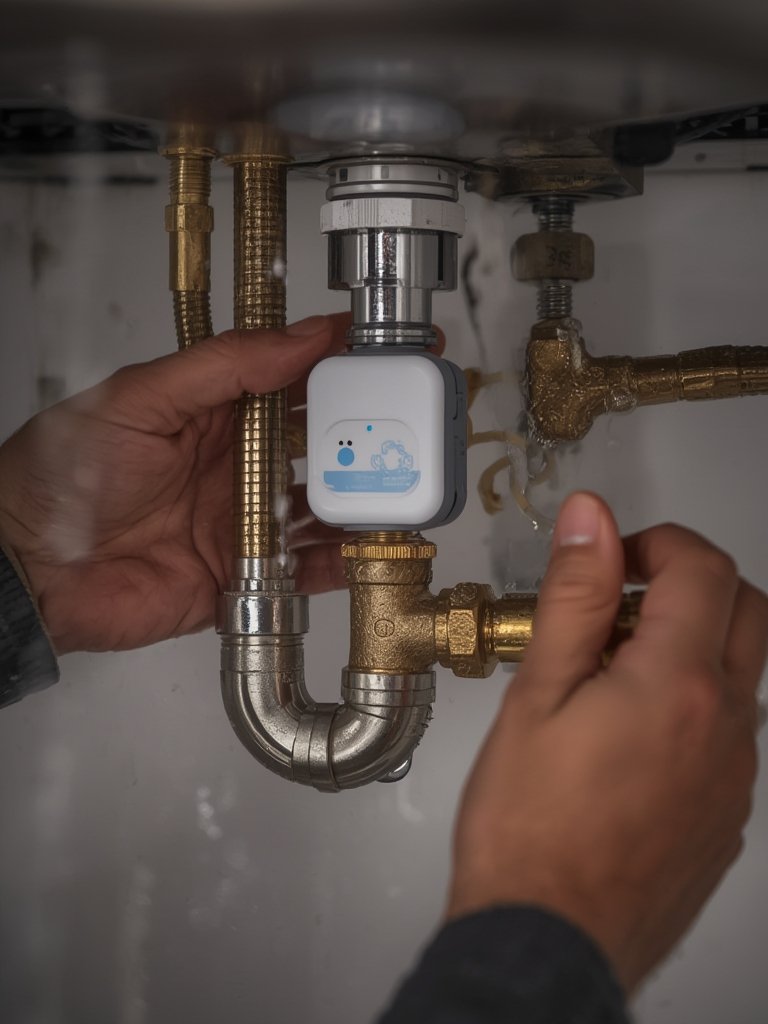
A smart water leak detector with shut off is a home device that senses leaks or pipe breaks and automatically turns off your water main to prevent flooding. It works through sensors placed near high-risk spots (like under sinks, water heaters, or washing machines), connected to an electronic shut off valve on your home’s water line. When a leak is detected, the system closes the valve—often in seconds—before major damage can happen. Many models also alert you immediately via phone notifications.

Why does this matter? Water damage is the second-most common cause of home insurance claims in the US, costing up to $20 billion a year in damages. Even a small leak can waste thousands of gallons every year, with just one inch of water causing $11,000 to $25,000 in restoration costs, according to national surveys.
Unlike basic water alarms, these smart systems use WiFi or home automation platforms for remote monitoring and instant shut off. In some homes, a professionally installed detector with main line shutoff may help avert catastrophic water damage from burst pipes or appliance leaks—risks that affect 1 in 60 US households every year.
Ready to get proactive? Here’s how to pick and install a smart leak detection system that can really work for your home.
Step-by-Step Guide: Choosing and Installing the Right System
-
Assess Your Risks and Needs
- Identify plumbing vulnerabilities—water heaters, laundry rooms, basements, crawl spaces, and areas with pipes near exterior walls.
- If you live in a flood-prone zone or an older home with aging plumbing, a system with both detection and shut off is especially smart.
-
Compare Product Features
- Look for:
- Response time (ideally under five seconds for shut off)
- Sensor placement options (remote, inline, or multiple rooms)
- Connectivity (WiFi reliability, cellular backup, smart home app integration)
- Power backup (battery or wired, plus an outage failsafe)
- Visual and audible alerts in addition to phone notifications
- Some products integrate with full smart home panels. For insights on integrating with your electrical system, check out our Smart Circuit Breaker Panel upgrade guide.
- Look for:
-
Decide on DIY vs. Professional Installation
- Standalone sensors are often DIY-friendly, but main water line shut off valves usually need a plumber.
- If you have copper, PEX, or PVC pipes, check unit compatibility before you buy.
-
Prepare Your Home Tech
- Test WiFi reliability where you’ll install the controller and sensors.
- Some systems require 2.4 GHz WiFi, so verify network compatibility.
- If you want voice control or automation, pick a device with Matter or Zigbee support (see our Matter smart switch guide for platform tips).
-
Install, Integrate, and Test
- Follow manufacturer installation steps or hire a pro for the main valve.
- Use the app to label zones and set notification preferences.
- Simulate a leak to confirm instant alerts and shut off are working.
-
Maintain and Monitor
- Test sensors and shut off functionality at least twice a year.
- Replace batteries or check backup power as required.
- Keep software/firmware updated to avoid glitches and maintain connectivity.
Curious about scaling up your home protection? Combining a leak detection system with a home backup battery system ensures your alarms keep working during a power outage or severe storm event.
Advanced Analysis & Common Pitfalls (Real-World Insights)
Even with the latest technology, a smart water leak detector with shut off isn’t failproof and may not solve every problem. Here’s what the research and real-world cases reveal:
Common Pitfalls
- False Alarms: Overly sensitive sensors can trigger the shut off by accident—especially near humidifiers or condensation sources. This can leave you with no water in the middle of the day. Some models let you tweak sensitivity to reduce these headaches.
- Connectivity and Power Issues: WiFi outages, app bugs, or battery drain mean your system might miss an alert or fail to trigger the shut off valve. Choose a model with battery or cellular backup if you travel, and check device power status monthly.
- Valve Malfunction or Compatibility: Not every valve fits all pipe types, and if the valve sticks (due to mineral buildup or frozen pipes), you might get a false sense of security. Professional installation helps reduce this risk.
- Maintenance Gaps: “Set and forget” can backfire. Failing to test the shutoff regularly or replace batteries may result in the system failing when you need it most.
- Lack of Insurance Benefits: Despite claims, most carriers don’t yet offer discounts for leak detectors unless paired with other mitigation steps, and very few publish clear statistics. Always ask your insurer directly before counting on a premium reduction.
Product Feature Comparison
| Feature | Entry-Level Detector | Smart Detector + Shut Off | Whole-Home System |
|---|---|---|---|
| Leak Detection | Single sensor, audible alarm | Multi-sensor, app alerts, automatic shut off | Zone monitoring, auto shut off, remote control |
| Installation | DIY, no plumbing required | May require plumber for valve | Professional recommended |
| Power/Backup | Battery | Battery/wired, often with backup | Multiple backups, may use solar* |
| Smart Home Integration | None | Often Alexa/Google/Matter compatible | Full smart home and app control |
| Upfront Cost (Estimate)* | $30-$75 | $200-$600 plus install | $500-$1,500 plus pro install |
| Recurring Costs | Batteries | Batteries, occasional service, subscriptions* | Service, warranties, monitoring |
*Some systems offer optional remote monitoring for an added monthly fee.
Need more ways to weatherproof your yard against drainage or sprinkler leaks? Our guide to the best lawn care tools can help with outdoor water management too.
Conclusion: Are Smart Water Leak Detectors with Shut Off Worth It?
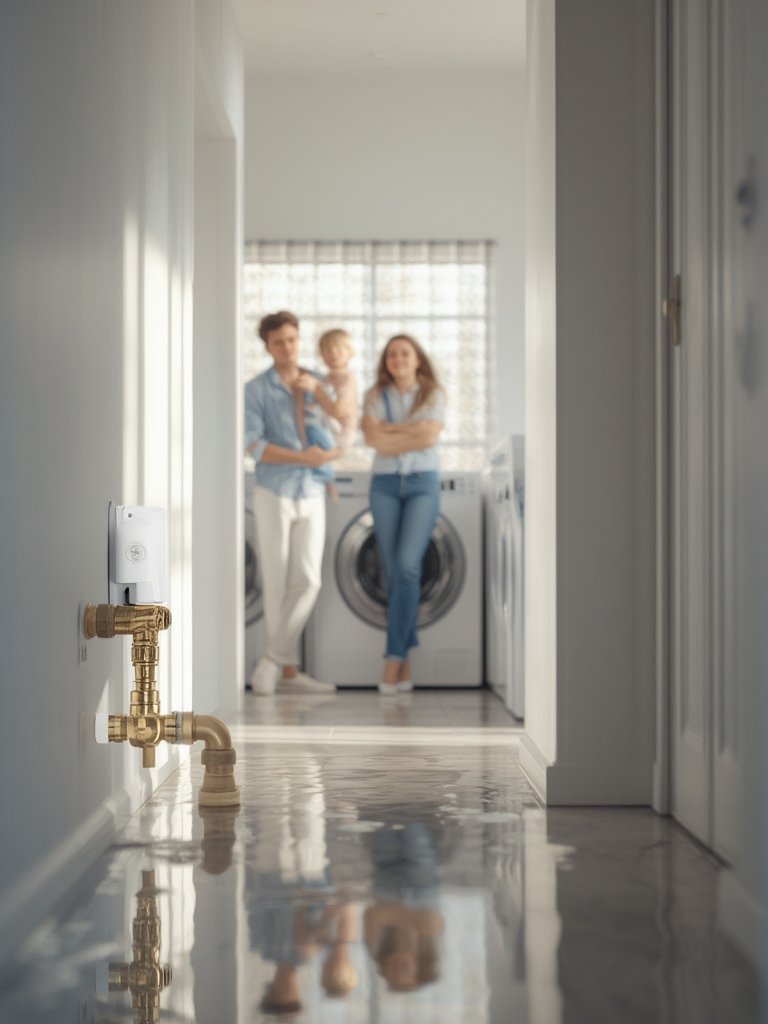
If you want proven protection against water damage, a smart water leak detector with shut off is one of the most effective and immediate home upgrades you can make. These devices can’t prevent every flood, but they drastically reduce the odds of coming home to a soaked basement or busted appliance spreading water through your house.
However, don’t expect a “set and forget” solution. Selecting the right system, maintaining it, and running realistic tests are key to getting reliable, long-term value. Insurance savings remain a possibility, but not a guarantee, so focus on avoiding the much higher cost of damage and hassle.
Ready to take the next step to protect your home? Start by checking your plumbing and WiFi setup, then choose a smart water leak detector with shut off system that matches your risk—and fits your smart home ambitions. Want to future-proof your automation even further? Explore our latest guides to energy monitoring and wireless lighting for every room.
FAQ
How much does a smart water leak detector with shut off cost to install and maintain?
Entry-level units start around $200 for main valve kits. Professional installation may cost $250-$500 extra for full-house systems. Expect about $30–$100 every few years for batteries or app subscriptions, depending on the system.
Will my insurance premium go down if I install a smart water leak detector with shut off?
Some insurers offer discounts, but most don’t have published statistics. Always ask your carrier for details before investing based on potential insurance savings.
Can I install a smart water shut off valve myself?
Basic sensors are DIY-friendly, but main shut off valves usually require plumbing skills and tools. For safety and compliance, professional installation is often best for whole-house systems.
What maintenance do these devices need?
Test sensors and shutoff action twice a year, keep firmware up to date, and replace batteries as needed. For best reliability, clean valves yearly to prevent mineral buildup.
What happens if the WiFi or power goes out?
Most detectors rely on WiFi for alerts. Some offer battery backup or cellular connectivity—a key feature if your area has frequent outages. Always verify backup specs before buying.