

portable EV charger level 2 home options are exploding in popularity as more drivers want fast, flexible charging without investing in costly permanent stations. If you want to top up your electric vehicle at home, avoid installation hurdles, and have backup charging anywhere with a 240V outlet, this guide will show you exactly what to expect in 2024.
Key Takeaways
- Level 2 portable EV chargers for home are growing faster than ever, thanks to US and global incentives and surging EV adoption.
- Installation is usually simple if you have a 240V outlet, but verifying compatibility and safety standards is crucial for reliable operation.
- Buyers need to compare charging speeds, adjustability, cable length, and certifications to avoid unexpected headaches and wasted money.
- What Is a Portable EV Charger Level 2 for Home—and Why Consider One?
- Step-by-Step Guide: How to Add a Portable Level 2 Charger to Your Home
- Advanced Analysis & Common Pitfalls of Portable Level 2 Home Charging
- Conclusion
- FAQ
What Is a Portable EV Charger Level 2 for Home—and Why Consider One?
Portable level 2 EV chargers are plug-in devices that deliver 240V charging speeds anywhere you have access to a compatible outlet—most commonly at home in your garage or driveway. Unlike hardwired charging stations, these chargers are lightweight, move between locations, and usually require no professional installation.
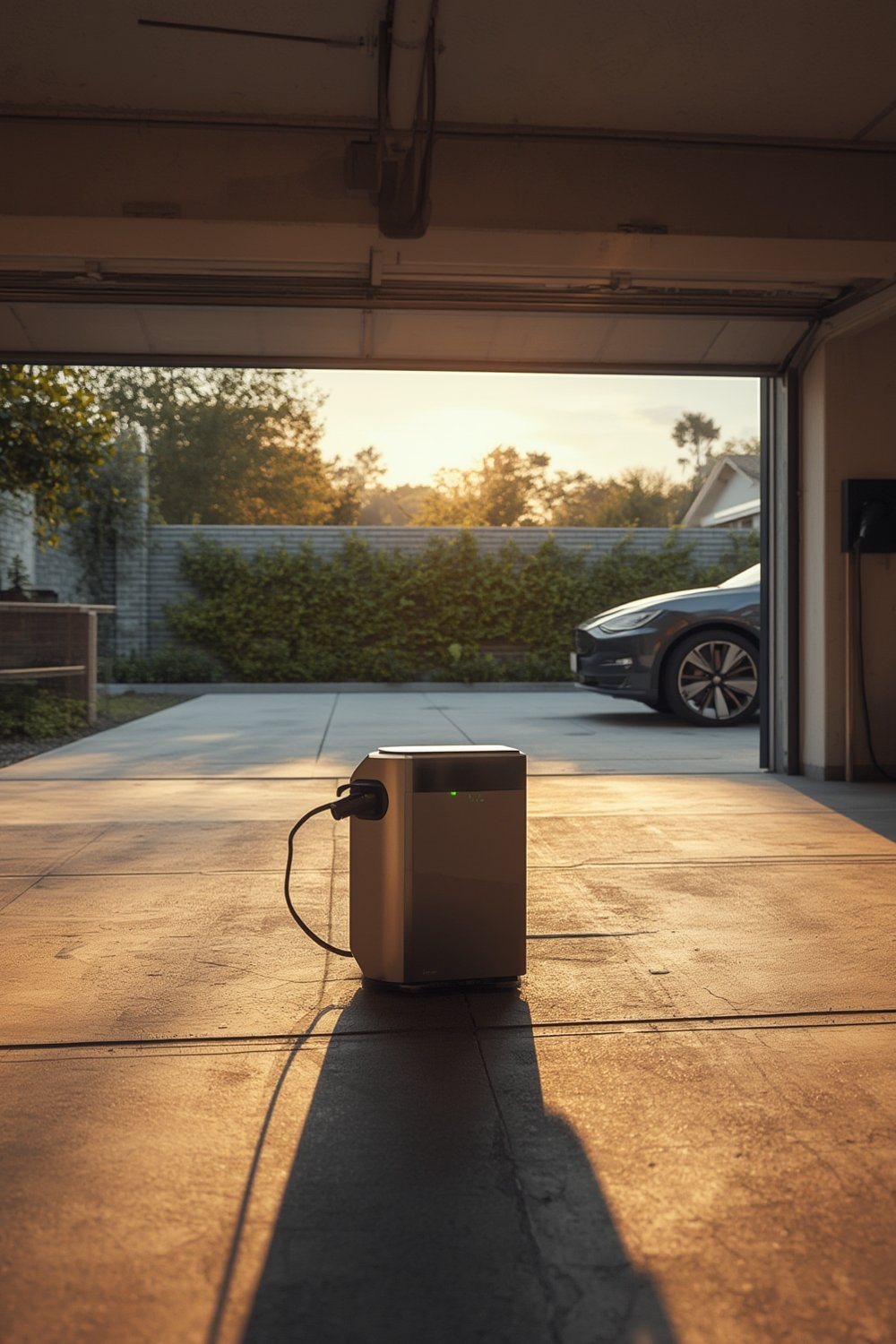
Why are drivers turning to portable chargers at home in 2024?
- Simplicity: Plug into an existing NEMA 14-50 or 6-50 240V outlet—no expensive hardwiring needed.
- Speed: Level 2 chargers can deliver 24 to 50 miles of range per hour—3 to 10x faster than standard Level 1 charging.
- Flexibility: Bring your charger with you if you move, or charge at a friend’s home or RV site.
- Cost-savings: No electrician or permit fees if you already have the right outlet installed.
With the global portable level 2 EV charger market expected to grow from USD 1.41 billion in 2024 to USD 5.73 billion by 2033, and government incentives like the Bipartisan Infrastructure Law pouring billions into EV infrastructure, these smart devices offer a timely blend of convenience and value.
Want to take your home’s energy upgrade even further? Consider a smart circuit breaker panel for seamless load management and future proofing your charging setup.
Step-by-Step Guide: How to Add a Portable Level 2 Charger to Your Home
Adding a portable EV charger level 2 at home is easier than most people think, but you’ll need to follow a few steps to guarantee safety, compatibility, and optimal charging speed.
- Assess your outlet:
- Look for a NEMA 14-50 or 6-50 (four prong) or NEMA 6-50 (three prong) 240V outlet in your charging area.
- If you don’t have one, contact a licensed electrician for a safe, code-compliant install.
- For highest safety, plug chargers directly into wall outlets—avoid extension cords.
- Choose your portable level 2 charger:
- Look for adjustable amp settings (16A, 24A, 32A, 40A, sometimes 48A).
- Check cable length (many are 16–25ft) and IP55 or above rating if you’ll charge outdoors (IP55 or above is best).
- Only buy chargers that are UL-listed or meet relevant industry standards for safety.
- Connect and configure:
- Plug into your 240V outlet, select the correct amperage for your EV and circuit, and check the display or indicator lights.
- Some models include WiFi/Bluetooth for remote monitoring and scheduling.
- Test charging:
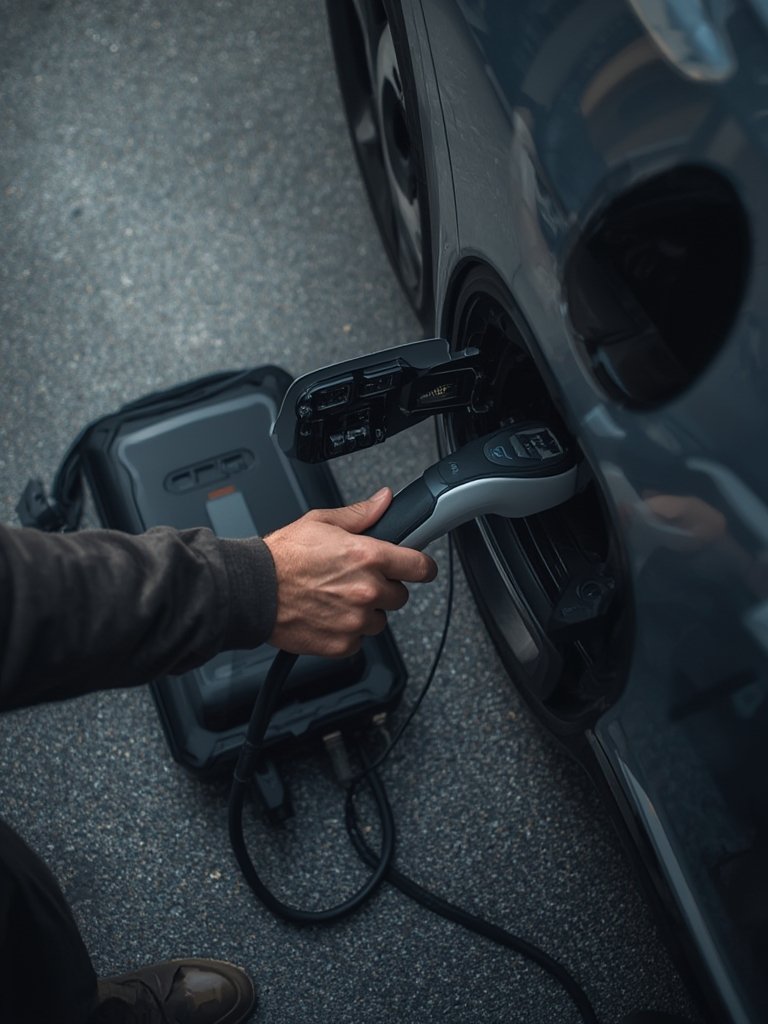
- Plug in your EV, verify proper operation, and look for error codes or overheating.
- Consult your EV’s charging app or dashboard to ensure you’re getting the desired speed.
- Maintain and monitor:
- Occasionally inspect the charger and cables for wear, water ingress, or bent pins.
- Update firmware if the charger supports software improvements.
If you’re planning a full-on home energy upgrade, combine your new charger with a DIY home energy storage battery system for true energy independence and smart load balancing—especially important if you plan on running multiple power-hungry appliances.
Want to keep things cable-free? Explore wireless under cabinet lighting for clutter-free garage organization you’ll appreciate during charging sessions at night.
Advanced Analysis & Common Pitfalls of Portable Level 2 Home Charging
Portable level 2 chargers are powerful, but there are some real-world pitfalls and technical limits you need to understand before choosing one for home use.
- Outlet Compatibility: Not all homes have the right 240V outlet in reach of your parked EV. Outlet installation costs $250–$1,000+ if required.
- Overloading Circuits: Plugging a charger into an old or overloaded circuit risks breaker trips or fire hazards, especially if other major appliances run at the same time.
- IP Rating for Outdoor Use: Charging in rain or snow demands IP55 or higher protection. Some “portable” chargers aren’t built for harsh weather.
- Limited Smart Features: Many portable chargers lack detailed app controls, load management, or energy monitoring found in top hardwired stations. If you value these, a smart circuit breaker panel can fill the gap.
- Not All Models Are Future Proof: Newer EVs may draw higher current than older chargers support, especially with a surge of long-range models entering the market (global stats).
- Rebates Many Times Don’t Apply: Most federal and local incentives focus on public stations and hardwired home units, not portable plug-in models—always confirm before purchase.
| Feature | Portable Level 2 Charger | Hardwired Level 2 Station |
|---|---|---|
| Typical Install | Plug-and-play on 240V outlet | Professional install, dedicated wiring |
| Adjustable Amperage | Often (16-40A, models vary) | Some (mostly fixed) |
| Smart Features | Basic, sometimes none | Advanced (WiFi, load management) |
| Cable Length | 16–25 feet typical | 16–25 feet typical |
| Outdoor Rating | Check IP (varies by model) | Most are NEMA 4/IP66 or better |
| Moving/Travel | Lightweight, easy to move | Permanent, not portable |
| Upfront Cost | $200–$800 (plus outlet if needed) | $500–$1,500+ (plus install) |
| Rebates | Rare to none | Often eligible |
For efficient home energy upgrades—and to safely handle EV charging and other smart devices—explore tips in this expert guide to smart circuit panels.
Don’t overlook home weatherization and outdoor upgrades to maximize year-round charging performance. Check out these best lawn care tools to keep your driveway and surroundings tidy, especially when installing outdoor charging.
Conclusion
A portable EV charger level 2 home is a smart upgrade if you want fast charging, flexibility, and future-proofing on a reasonable budget. Installation is usually simple, but safe setup and the right model choice are critical for reliable, long-term charging. Compare features, read safety labels, and always plan for your home’s specific power limits and weather exposure.
Ready to start charging faster? Research several models, check your electrical panel (or consider an app controlled breaker box), and join the growing ranks of flexible EV owners. Don’t settle for slow, unreliable, or unsafe charging—make the upgrade and enjoy true EV freedom at home.
FAQ
Is a portable EV charger level 2 safe to use outdoors?
Most portable EV chargers with IP55 (or higher) ratings are safe for outdoor use, but always check your charger’s specs and never use a unit in standing water or during heavy storms.
Do I need an electrician to install a portable level 2 EV charger at home?
If you already have a proper 240V outlet where you want to charge, no electrician is needed. Installing a new 240V outlet should always be handled by a licensed electrician for safety and code compliance.
How fast will a portable level 2 charger charge my car?
Charging speeds vary by amperage and your EV’s onboard charger. Most portable level 2 units deliver 16 to 40 amps, adding 20 to 45 miles of range per hour for most models.
Does a portable charger qualify for rebates or tax credits?
Most current rebates and incentives focus on hardwired or installed home stations, so portable chargers rarely qualify. Always check local and utility programs before buying.
What are some must-have safety features for portable EV chargers?
Look for UL listing or similar certifications, GFCI protection, overcurrent/overheating protection, and tough weatherproof casings for outdoor use. Prioritize chargers from reputable brands whenever possible.